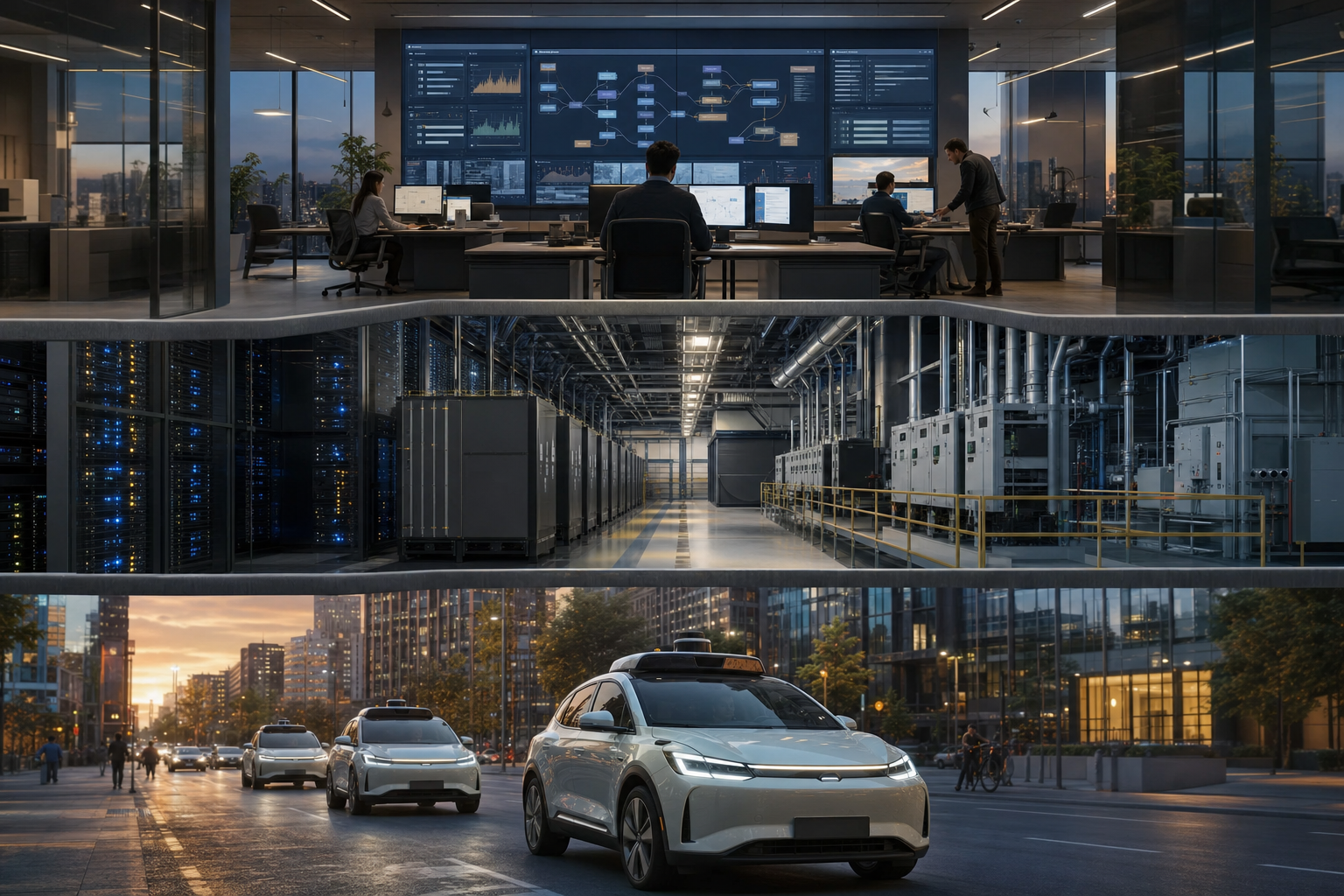
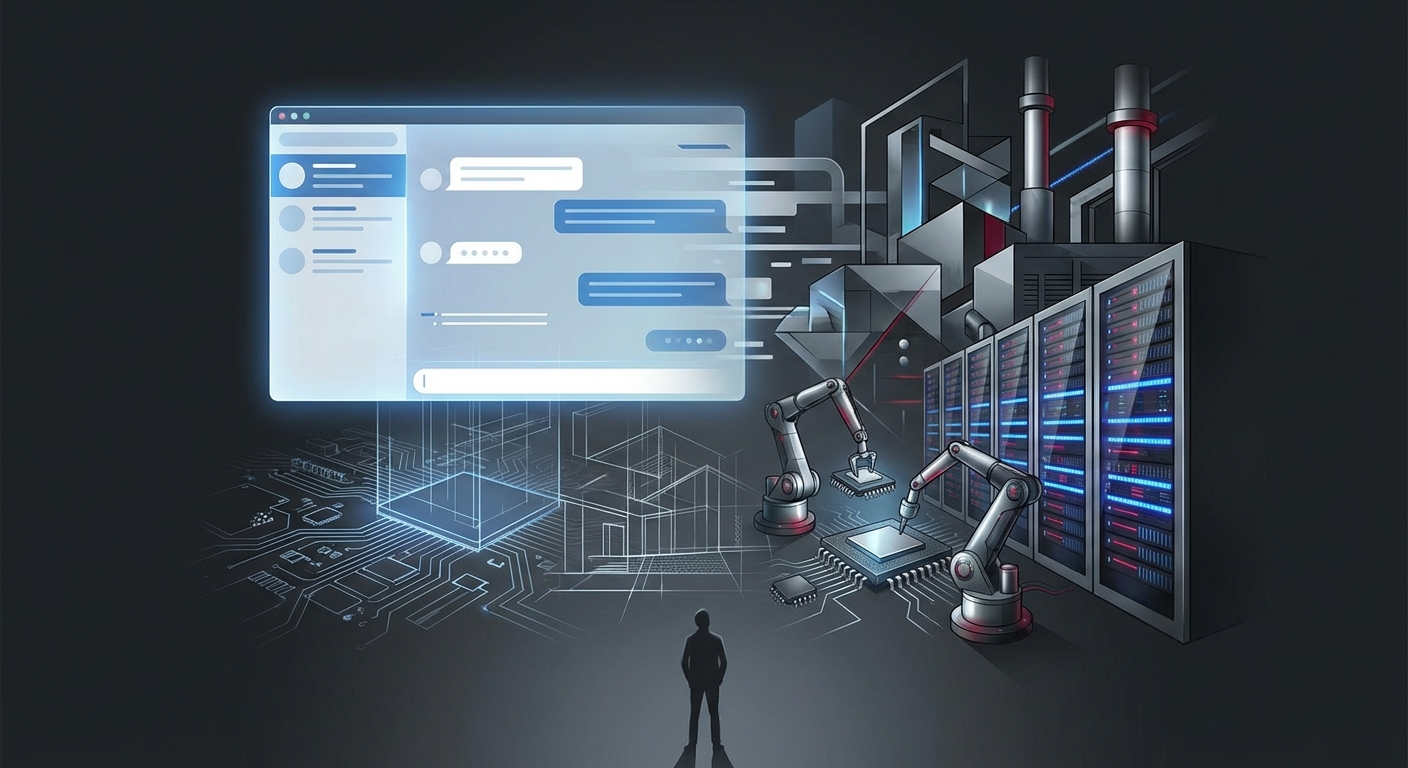
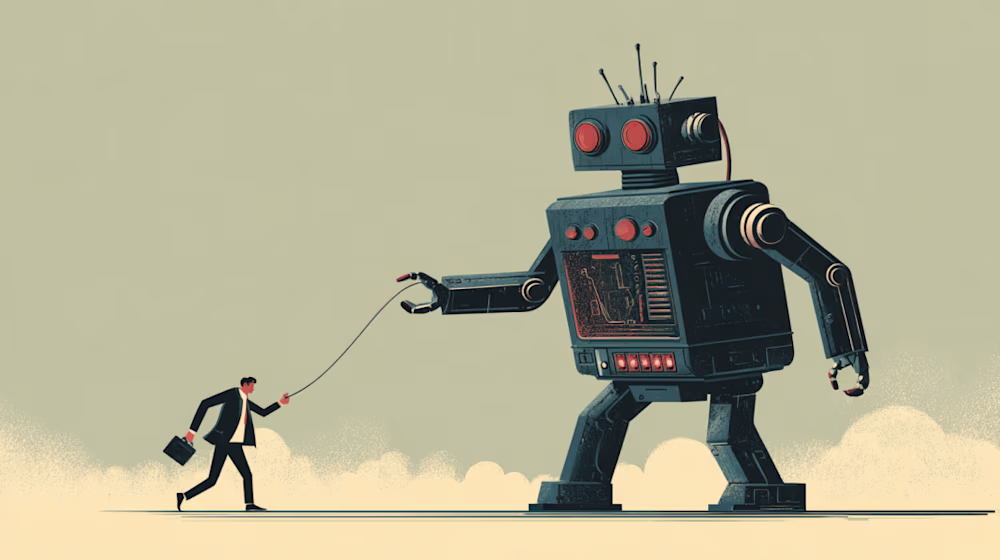
Artificial intelligence is usually photographed as light: a glowing server aisle, a blue brain, a clean line rising on a chart. Its industrial life is heavier. It arrives as a power contract, a cooling system, a robot arm, a delayed substation and a finance director asking why the infrastructure budget has changed shape.
The cloud has acquired a ground floor
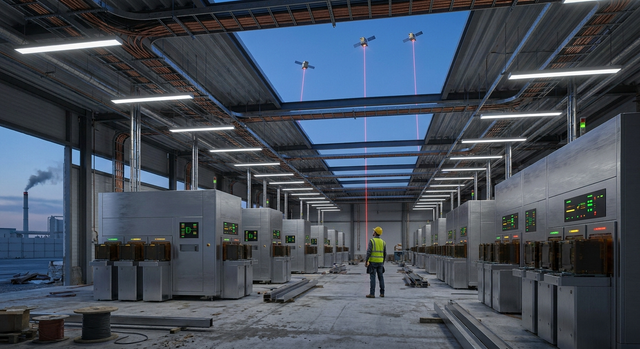
The International Energy Agency estimates that data centres used about 415 terawatt-hours of electricity in 2024 and projects their consumption to more than double by 2030. AI is not the only load inside those buildings, but it is now a major force behind their growth. The argument about models has become an argument about grids, transformers, planning permission, water and where new generation can be connected in time.
This is the first correction industry brings to the AI story. Software can scale by copying bits; infrastructure scales by ordering equipment, negotiating land and waiting. A model release can move in weeks while a transmission project moves in years. The gap between those clocks will decide which ambitions become products and which remain benchmark theatre.
Robots make intelligence answer to physics
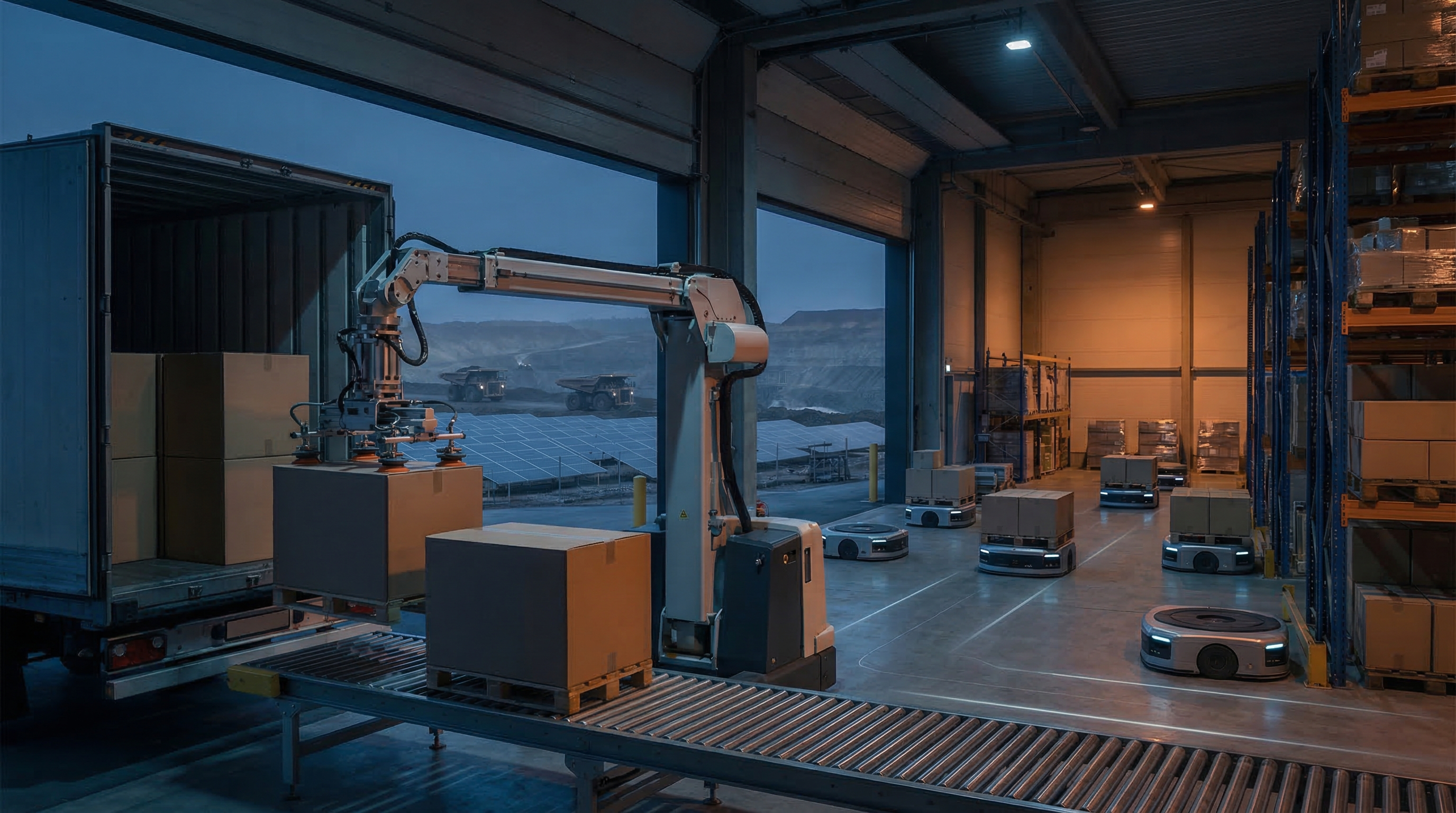
The International Federation of Robotics counted 542,000 industrial robot installations in 2024, more than twice the level a decade earlier. Those machines do not inhabit a frictionless demo. They meet variable lighting, worn components, safety cages, irregular objects and factories where one minute of downtime has a price. Physical AI is impressive precisely where it survives that boredom.
This makes robotics a useful antidote to loose claims about autonomy. A warehouse does not care that a model can narrate its reasoning if the gripper drops the parcel. Reliability, latency, maintenance and recovery are not supporting details. They are the product. Intelligence only becomes industrial when it can keep its promises under fluorescent lights on the third shift.
SourcesInternational Federation of Robotics: World Robotics 2025
Adoption follows the shape of the company
Anthropic’s 2026 Economic Index found uneven use across countries, occupations and tasks. That unevenness is not a temporary blemish on an otherwise universal curve. Industries have different data, liability, margins and tolerance for delay. A software company can put a new assistant in front of employees this afternoon. A hospital, insurer or manufacturer has to fit it around regulation, legacy systems and consequences that do not disappear when the browser closes.
The result will be many local revolutions rather than one clean industrial wave. The useful system will know the claims file, the maintenance record or the route constraint. It will be judged by a narrow operational outcome and constrained by the institution around it. General capability opens the door; specific knowledge determines whether the system is allowed into the building.
The bottleneck moves, then becomes visible
Every industrial technology removes one constraint and reveals another. Faster analysis exposes slow approvals. Better forecasting exposes a supplier that cannot respond. Autonomous machinery exposes the cost of weak maintenance data. AI will not simply accelerate the existing company. It will show where the company is coupled to a physical or institutional limit it had learned to ignore.
That is why the most important AI stories may soon sound less like software news. They will be about energy queues, training standards, insurance rules, factory redesign and the ownership of data produced by machines in motion. The model remains in the story, but it is no longer the whole plot.
AI becomes economically serious when it has to pass through the stubborn world: copper, concrete, regulation, weather, people. Industry does not slow the technology down. It tells us which parts were real enough to carry weight.