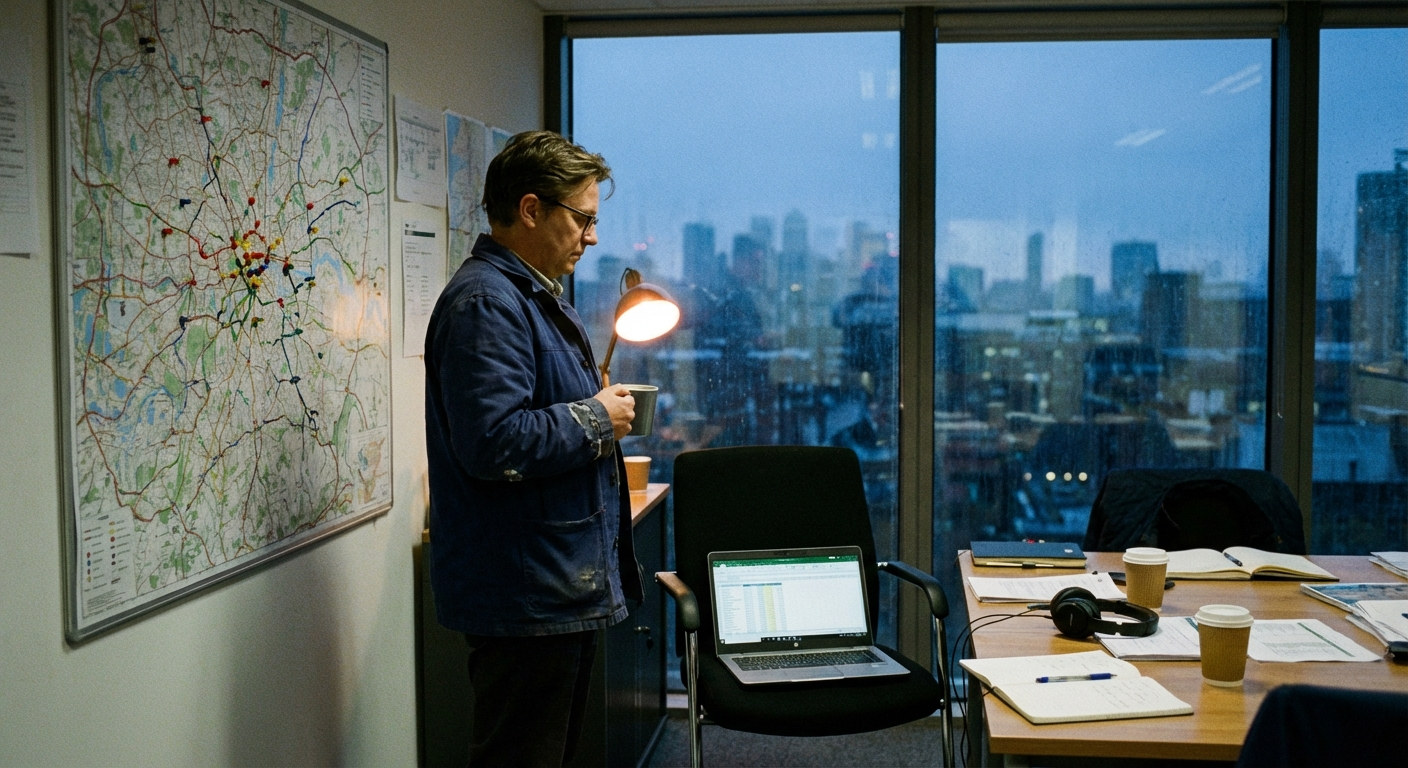
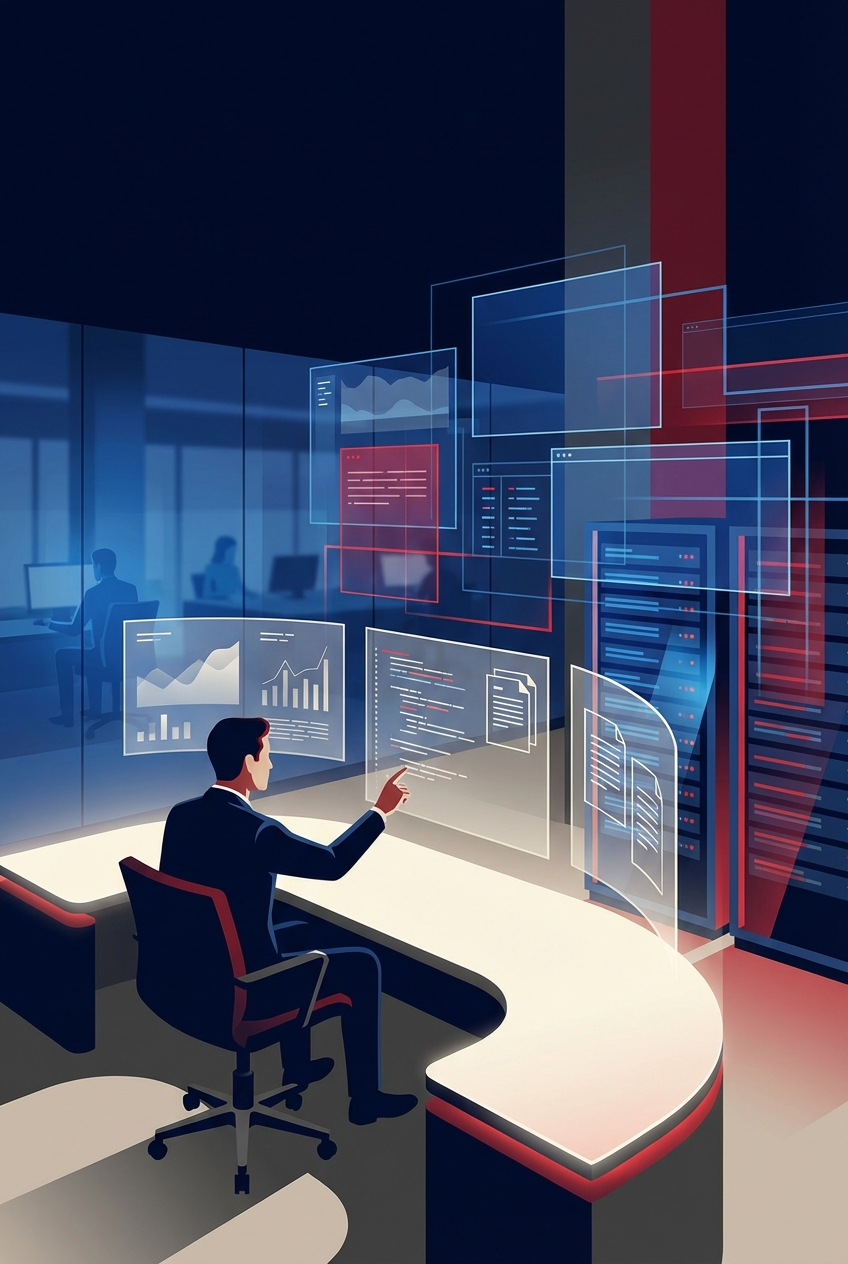
The most consequential AI system in an office may not look like a product at all. It may look like a task that left someone’s desk on Tuesday morning and returned on Wednesday with the research gathered, the spreadsheet reconciled and three decisions waiting for a human name.
The hand-off is becoming the interface
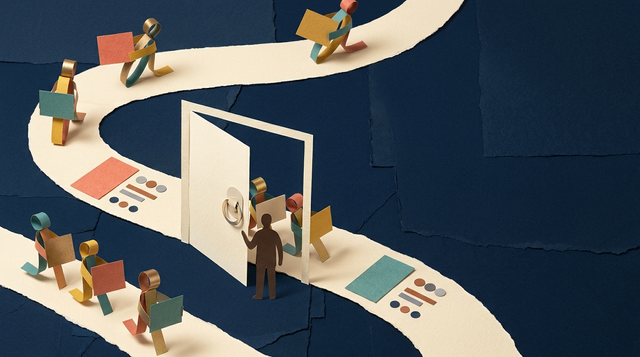
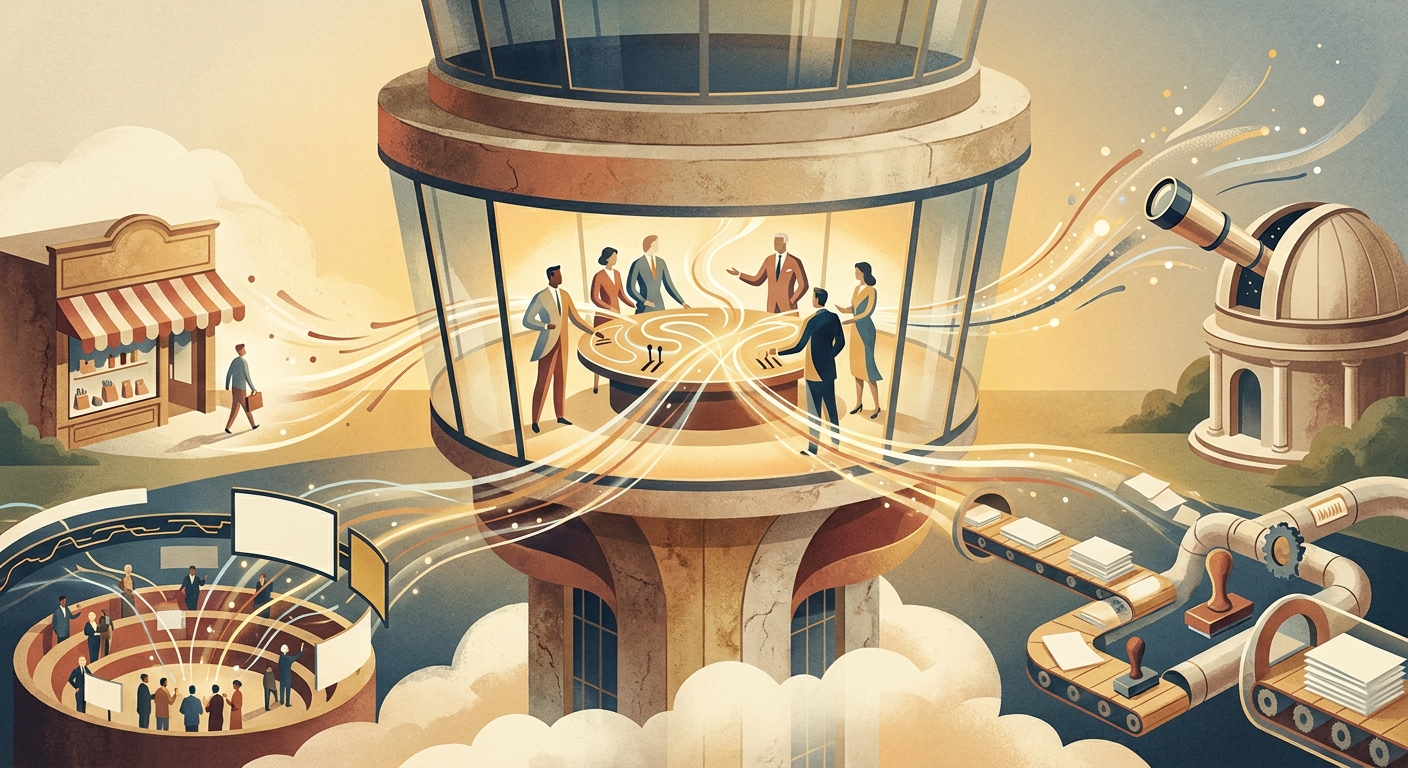
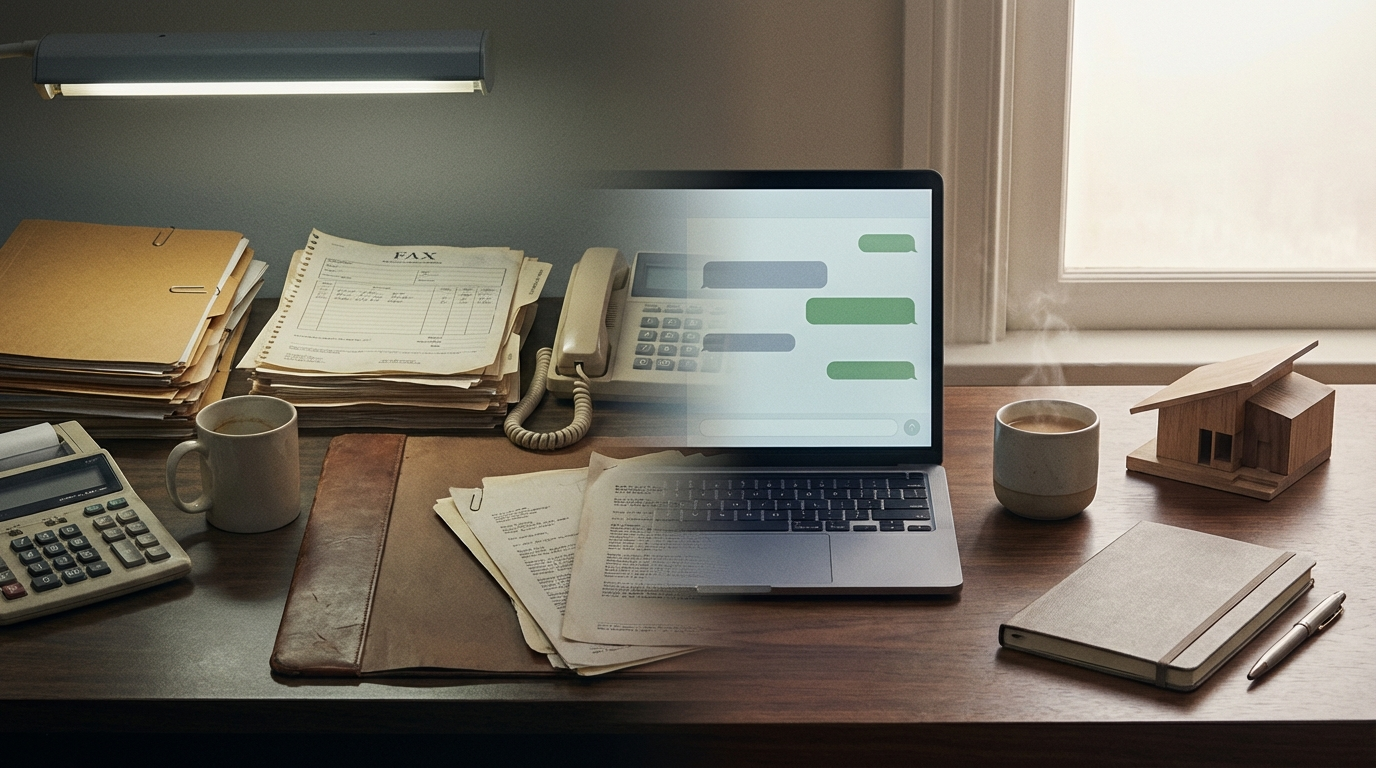
Most workplace software was designed to wait. A person opened the tool, found the record, clicked the control and carried the result elsewhere. The new workflow is organised around a different gesture: describe an outcome, give a system enough context to pursue it and decide where it must stop. The interface is not the button. It is the hand-off.
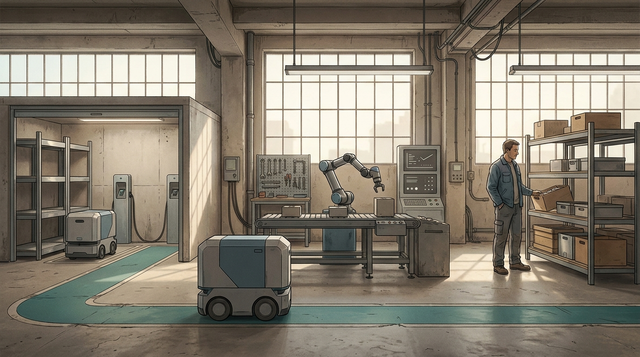
That sounds subtle until it reaches the calendar, the inbox, the warehouse or the monthly close. Then the difference becomes structural. Work can continue between human interventions. One person can direct several threads. The sequence that used to live in someone’s memory has to become explicit enough for a machine to follow and for another person to inspect. The workflow stops being office folklore and becomes part of the system.
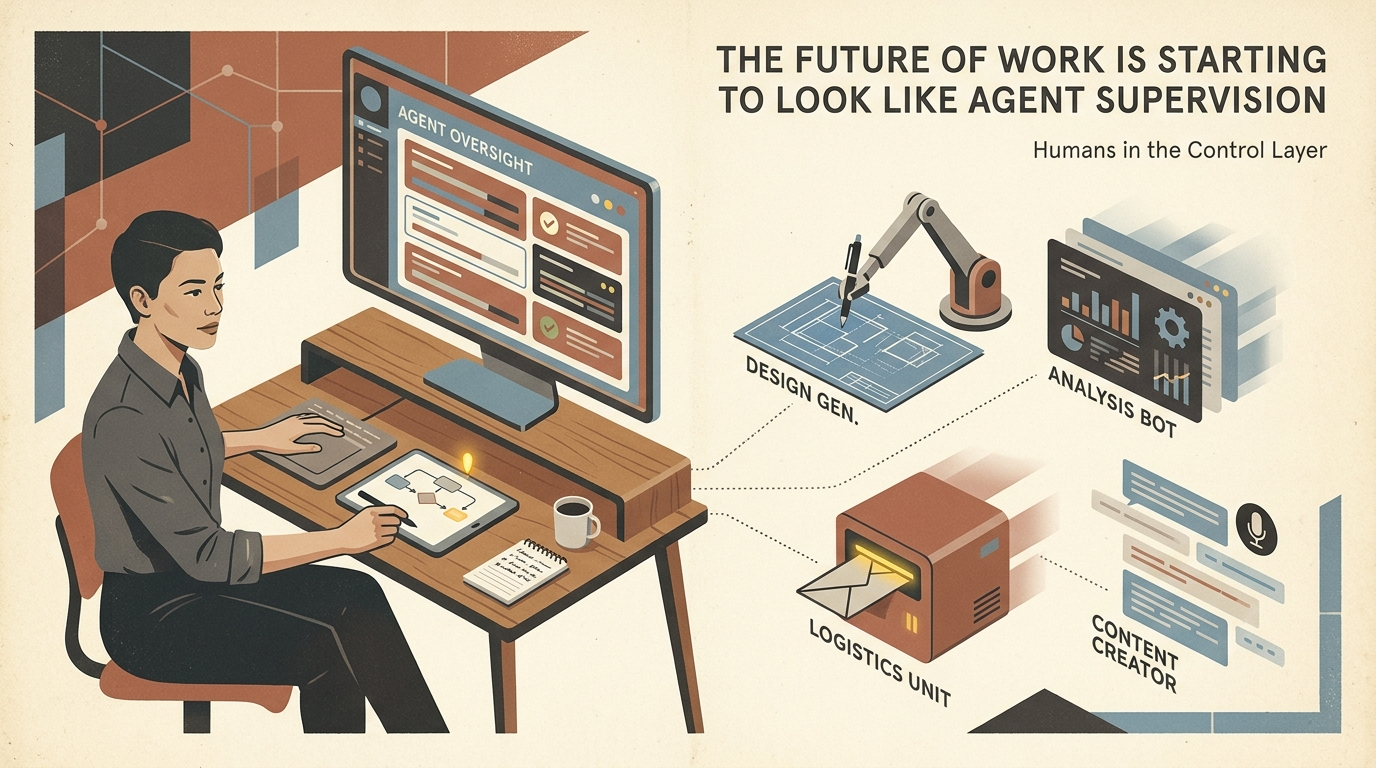
Delegation creates a second job: supervision
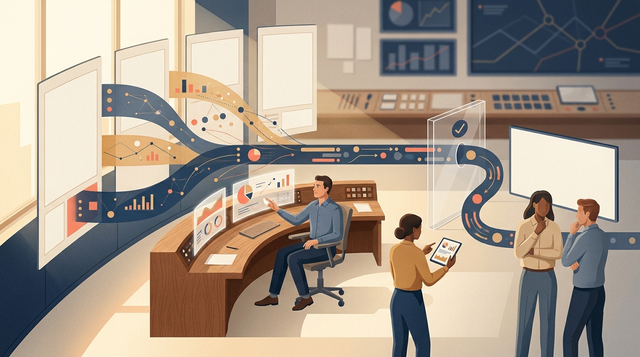
Anthropic’s study of software-development use found that Claude Code conversations leaned heavily toward automation, while ordinary Claude.ai coding conversations showed more back-and-forth assistance. The distinction matters beyond software. As systems take on longer tasks, the human role moves from producing every intermediate step to setting direction, watching exceptions and judging the returned work.
The optimistic version calls this leverage. The honest version includes the new labour it creates. Someone has to decide what context the system may see, which actions require approval, how failure appears and when a fluent answer is still an unfinished one. A badly designed workflow does not remove busywork. It hides busywork inside checking, recovery and low-grade suspicion.
SourcesAnthropic: How AI is transforming software development
The best workflows know where to hesitate
Autonomy is often sold as a distance record: how long can the system run without asking? That is the wrong competition. Useful autonomy knows when the cost of being wrong has risen beyond the value of continuing alone. A drafting agent may proceed through uncertainty. A payment, hiring decision or customer promise should encounter a harder edge.
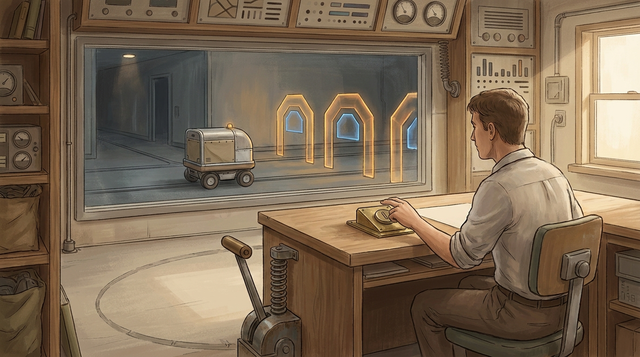
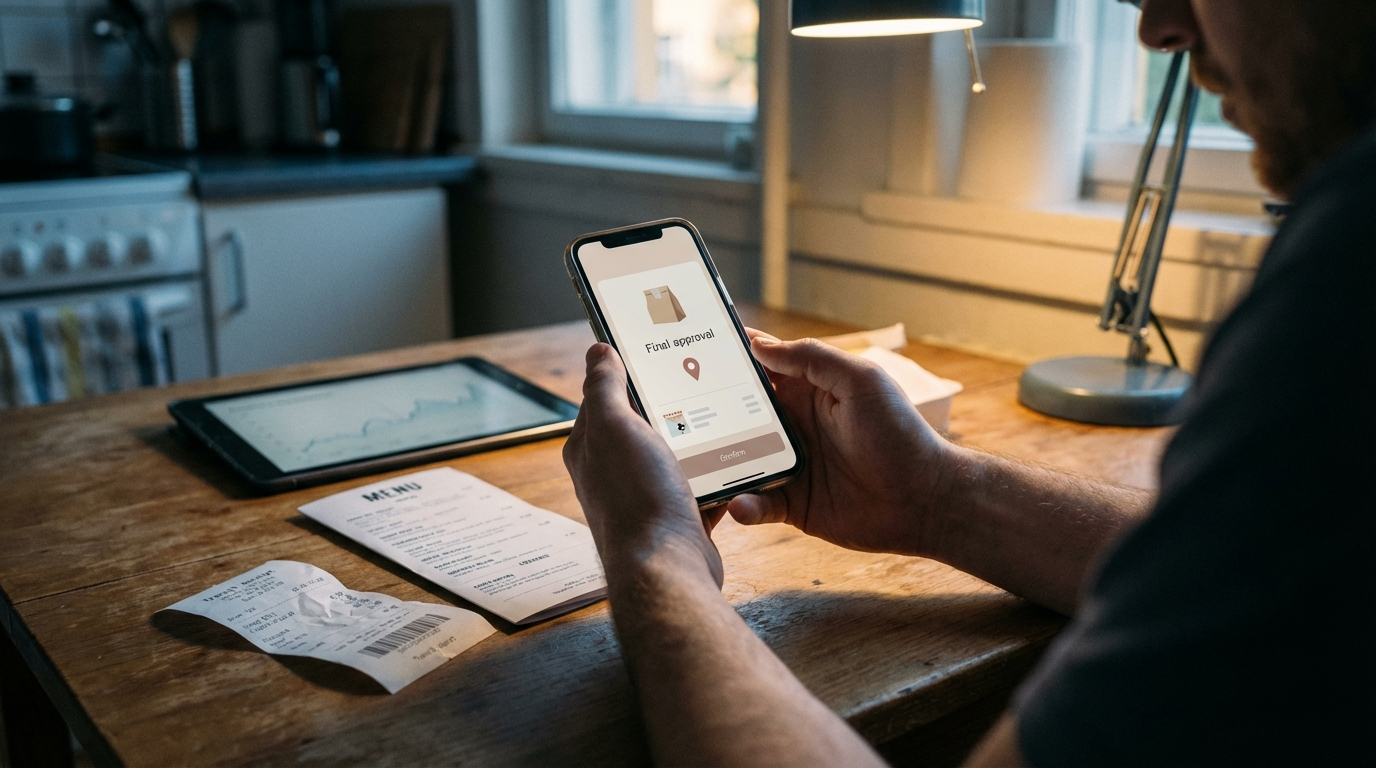
This makes the pause an important design material. Good systems surface the evidence behind a choice, preserve the path that produced it and ask a question at the point where an answer can still change the outcome. The goal is not fewer humans in the diagram. It is fewer human actions that exist only because the software never understood the work.
Organisations are about to discover their own ambiguity
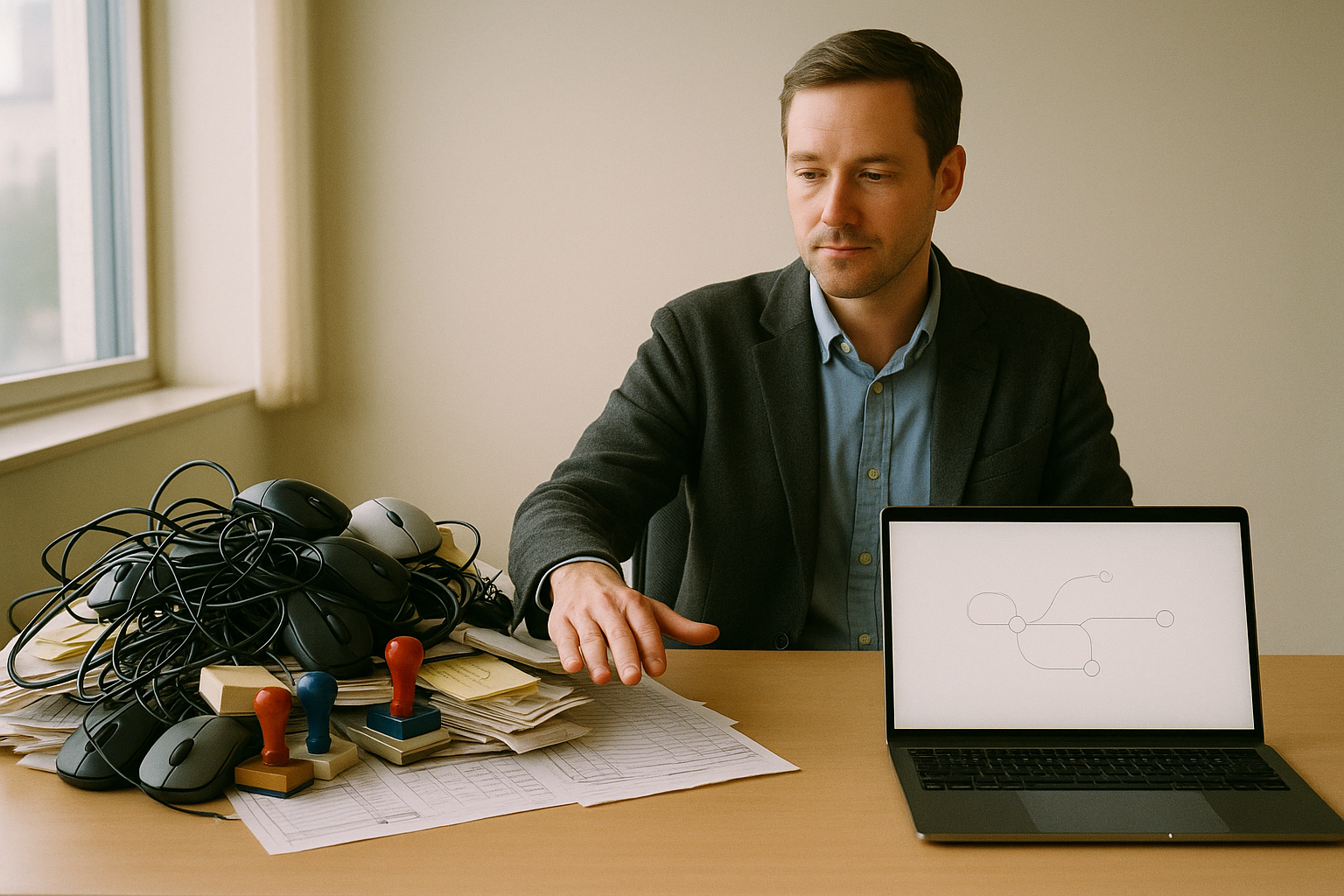
A workflow that can be delegated must be described. That requirement will expose how many companies run on missing fields, private spreadsheets, contradictory policies and the memory of the person who has been there longest. AI does not erase that disorder. It arrives with a torch.
The companies that gain most will not necessarily buy the cleverest model. They will decide which decisions matter, make the relevant context legible and create a clean route from machine action to human accountability. The competitive advantage may look less like intelligence and more like an organisation finally learning how its own work travels.
The future of work is often pictured as a contest between people and machines. The nearer problem is stranger: people becoming managers of work they can no longer see happening minute by minute. The hand-off is easy. Knowing when to take the work back will be the skill.