Agentic Engineering
How agents redraw the work of writing, reviewing, and owning software.
Start hereAgentic Engineering Just Grew Up — And It Brought ReceiptsBlog
We also track how the public evidence around AI catastrophe moves from day to day. See today’s p(doom).
Four lenses for the parts of technology that are changing fastest.
How agents redraw the work of writing, reviewing, and owning software.
Start hereAgentic Engineering Just Grew Up — And It Brought ReceiptsDelegation, supervision, and the new choreography of work around AI systems.
Start hereThe Quiet Hand-Off: Why the Next Decade of Computing Will Feel Like a ConversationScreens, browsers, ambient systems, and where the interface goes when work starts moving on its own.
Start hereFrom Chat to Ambient: the interface war after the AI breakthroughHow AI spills into companies, infrastructure, robotics, and the physical systems underneath them.
Start hereThe Week AI Became Infrastructure
AI assistants become far more useful when you stop chatting with one and start managing a queue of completed work.

Young people are responding to a broken career ladder, not declaring that software no longer matters.
Physical capital is becoming easier to reprogram, and that changes how companies buy capacity, choose locations, and run operations.
AI assistants are changing the unit of knowledge work from a completed task to a designed, supervised workflow.

A field guide for operators who want output to grow faster than headcount, starting with one measurable workflow.
A working playbook for moving from clicks and prompts to delegated work you can inspect, correct, and trust.

The breakthrough is a decision interface that keeps the evidence, price, and limits in view.
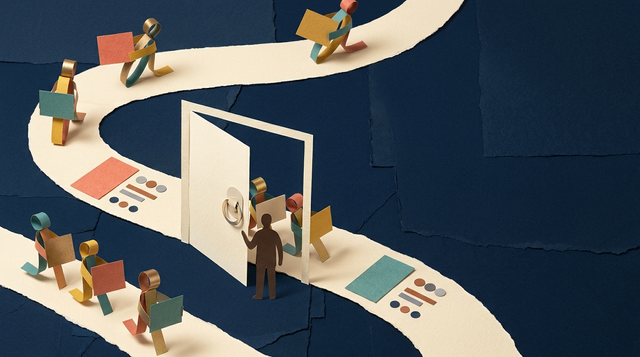
The next layer of work is designing the handoffs that tell an agent when to keep moving and when to stop.

The serious work is connecting teaching, assessment, admissions, and careers around AI, rather than leaving every department to run its own experiment.
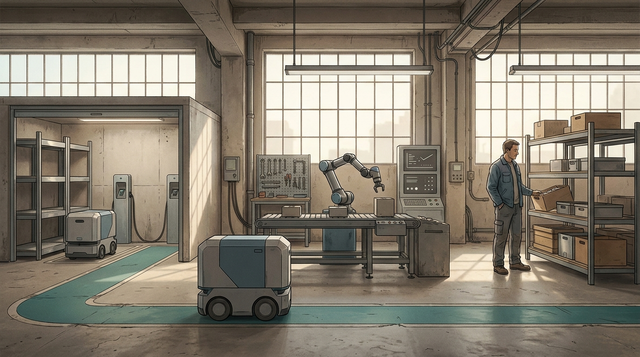
Robotics is entering ordinary operating plans because buyers can finally tie a machine to a job, a workflow, and a cost they already understand.

The advantage is moving into the harness that gives an agent context, limits waste, and proves what ran.
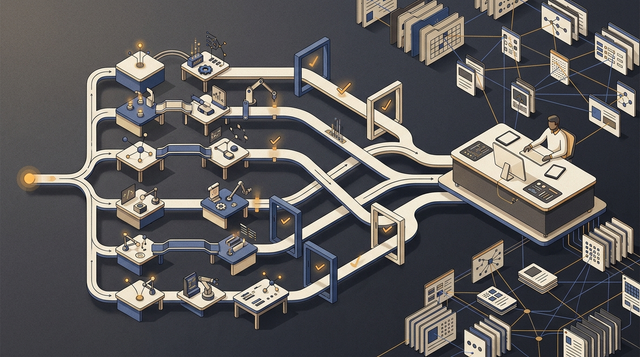
The next AI engineering skill is making model work inspectable, interruptible, and useful outside the chat window.
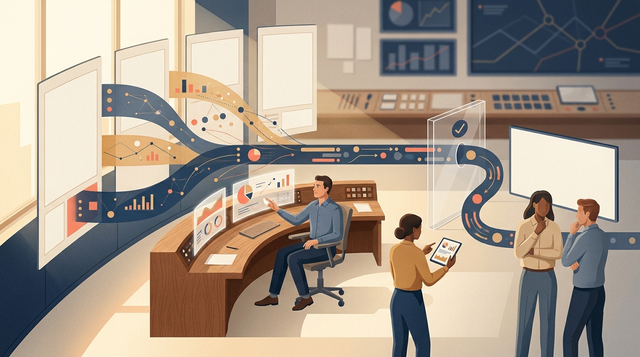
AI assistants are moving the centre of many jobs from producing every output to directing a stream of machine work.
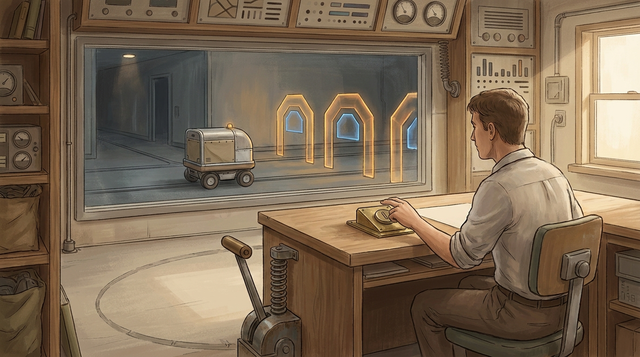
As software starts taking action across the business, the valuable human work moves up one level: setting boundaries, checking outcomes, and deciding what happens next.
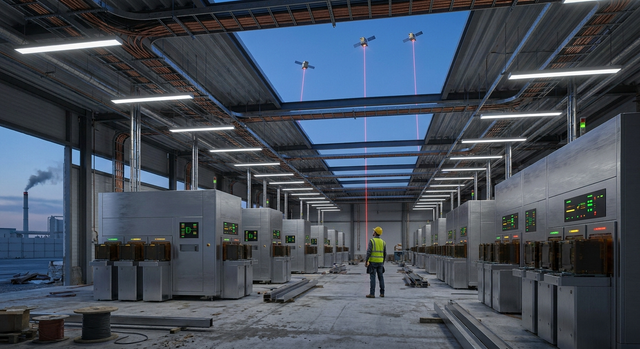
Three announcements landed in three days. Together they answer the question the AI industry has been avoiding: what happens when terrestrial infrastructure stops scaling?

The agent economy is finding its first real customers in places nobody put on a roadmap.

A roundup from the week the policy desk finally caught up with the factory floor.

Frontier intelligence, frontier cost, and the open-weight race all bent in the same seven days.

The entry-level job is the first thing AI eats. That is reshaping the whole ladder above it.

Three things happened this week that quietly rewrote what a small team, a solo researcher, and an ordinary knowledge worker can ship before lunch.

Insurance is the most paperwork-heavy industry in the developed world. Every claim is a stack of PDFs, a phone call, a doctor's note, a police report, a photo of a wet carpet, and a ninety-page policy document. Every quote is a checklist of risk factors pulled from public records, motor vehicle reports, credit scores, and medical histories. Every renewal is a recalculation against a regulatory...
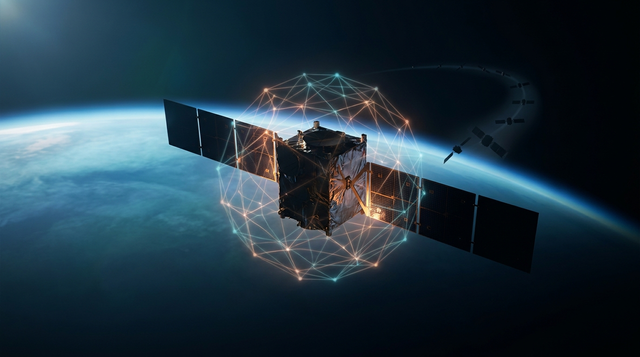
Orbital compute, agentic models, and the first off-planet nervous system are quietly fusing into one substrate.
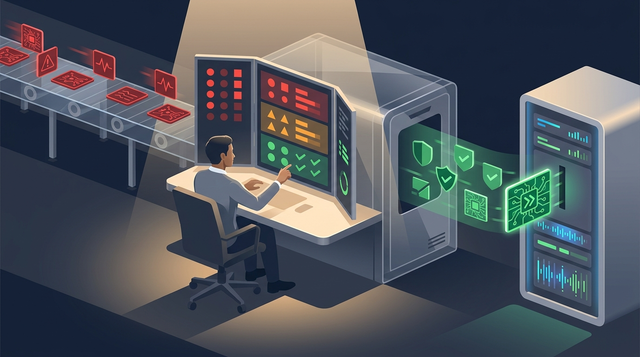
AI has started finding software flaws faster than most organisations can comfortably absorb them. The fix is not another dashboard. It is a better operating system for patching.

We are stepping out from behind the screen and into a world where software talks back, takes initiative, and slips into the room without asking.

The killer apps of 2026 are not the ones you'll see in the keynote. They are the ones you'll never see at all: the one-person SEO shop that outranked an incumbent on a backwater keyword, the sales rep who gets a whisper in their ear mid-call, the founder who wired an agent to a local database and never told anyone. The interesting work is happening in the seams, the workflows that no one bother...

Code duplication is up 81%. Code reuse is down 70%. Legacy refactoring has collapsed 74% since 2023. The share of commits that touch code older than a year has fallen off a cliff. AI-assisted commits are now roughly a quarter of every commit shipped to a real production codebase.

The economy of 2030 will not be settled in a model lab. It will be settled in a Shenzhen warehouse, on a Japanese assembly floor, and at a U.S. standards meeting where nobody can agree what "safe" means.

The agent isn't taking your job. It's just taking your evening.

Six releases in four days, and the quiet moment AI stopped being a destination.

AI is gutting enterprise software org charts. It is not touching classrooms. The gap between the two is the story of which industries are about to be rewritten.

The cheapest move was firing everyone. IKEA picked the harder one. It returned €1.3 billion.

Five days. One country ID'd an agent. A rocket company paid $60 billion for a coding copilot. DeepMind called AI agents a $2.9 trillion economic event in the U.S. alone by 2030. The question for anyone running a team in 2026 is no longer whether AI assistants are reshaping jobs. They are. The only question left is which humans stay accountable for the work they ship.

A new 400,000-session study from Anthropic quietly redraws the map of who gets to build software. Spoiler: it isn't the people with the best commit history.

The future of space infrastructure isn't built on heavier rockets. It is built on autonomous intelligence.

We are moving past the "gadget" phase of AI wearables into the "utility" phase—and the winners will be the ones that disappear completely.
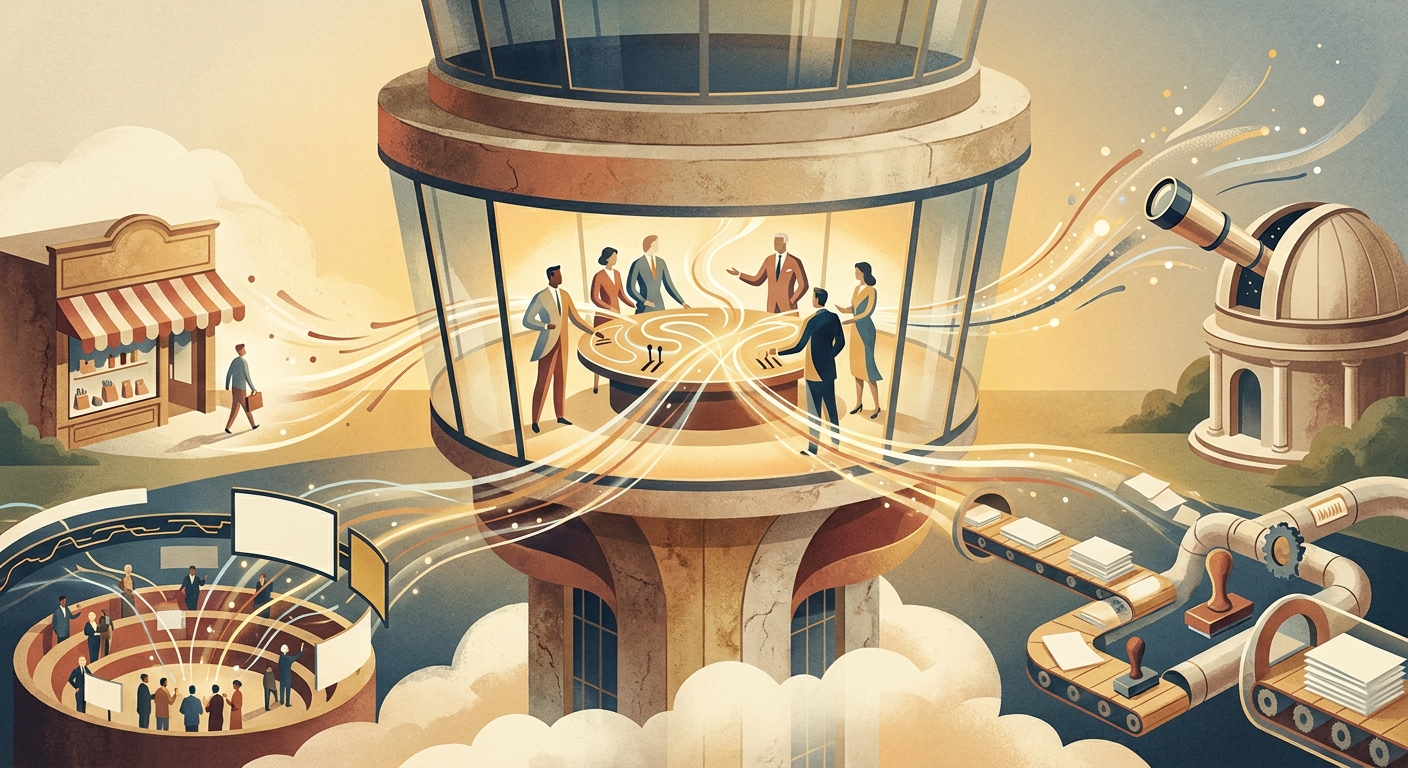
The biggest AI wins are starting to show up in places that look niche, boring, or oddly specific—right up until you notice how much time, judgment, and economic value they compress.
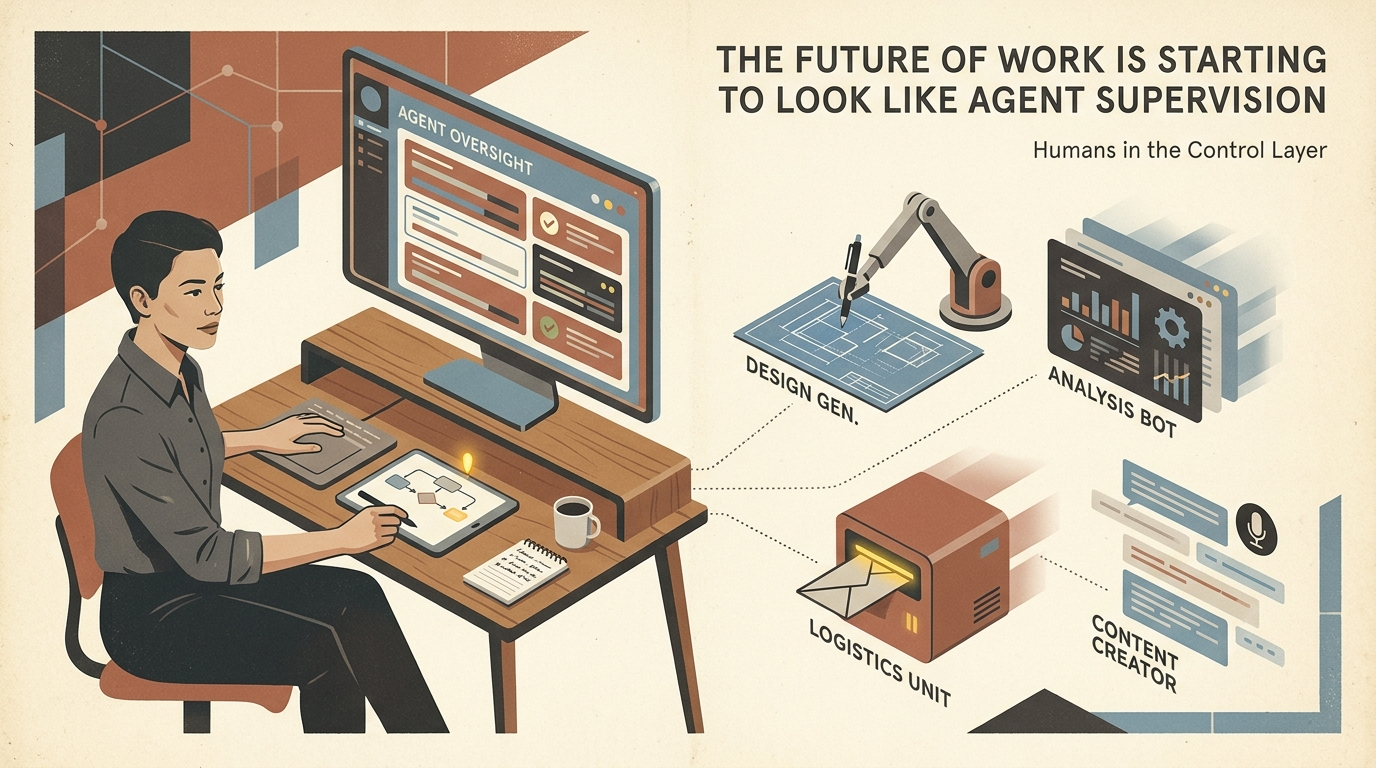
AI is not just adding smarter tools to the stack. It is turning more jobs into a mix of direction-setting, review, context management, and controlled delegation.

The most interesting thing happening in insurance right now is not another chatbot. It is the slow, very real conversion of the industry into software that agents can actually operate.

The most important AI releases of the past few days were all about connective tissue: the infrastructure that lets agents carry context, move across surfaces, and operate inside real companies.
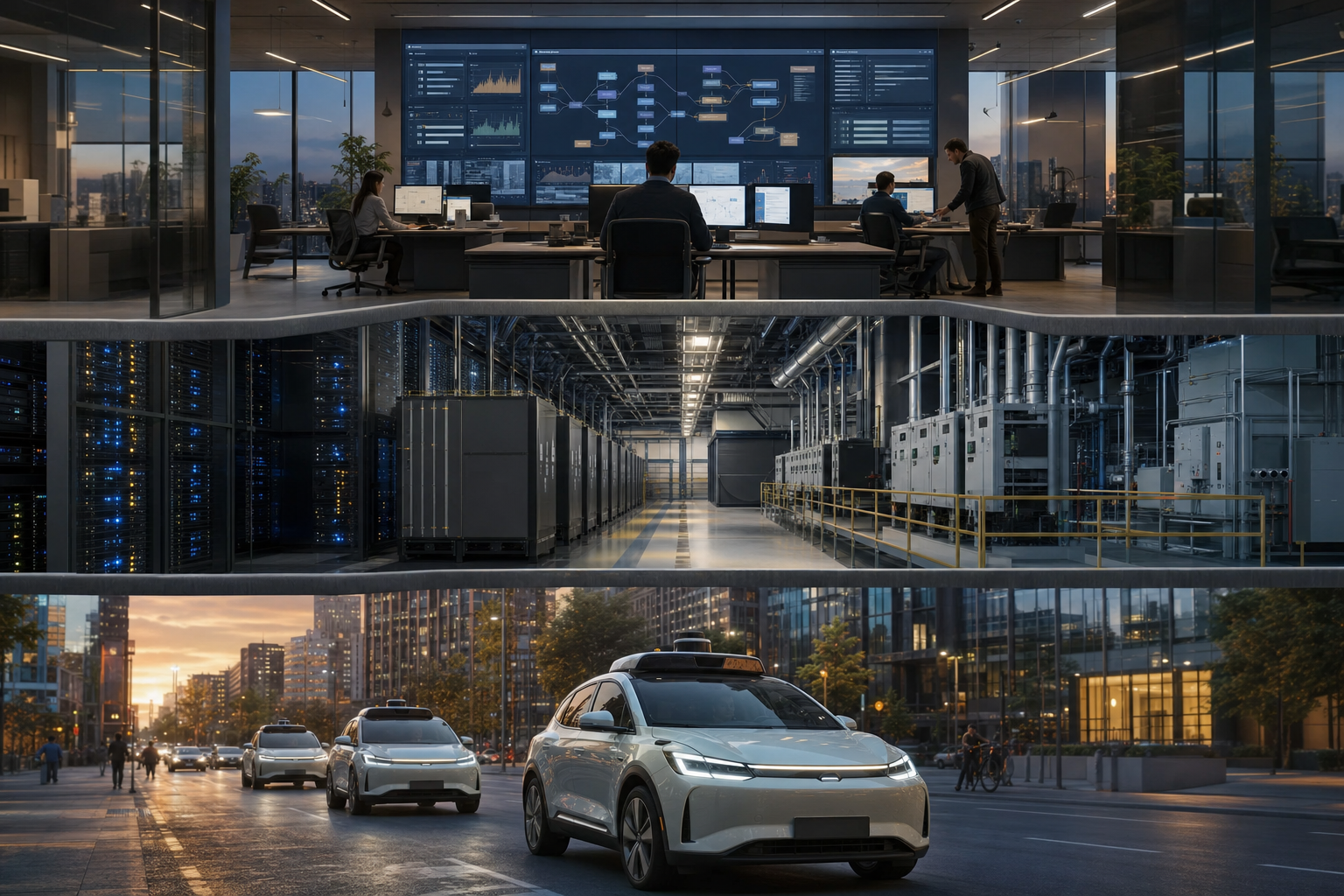
A new company architecture is coming into focus: software handles coordination, AI factories supply the horsepower, and autonomous machines start taking work into the street.
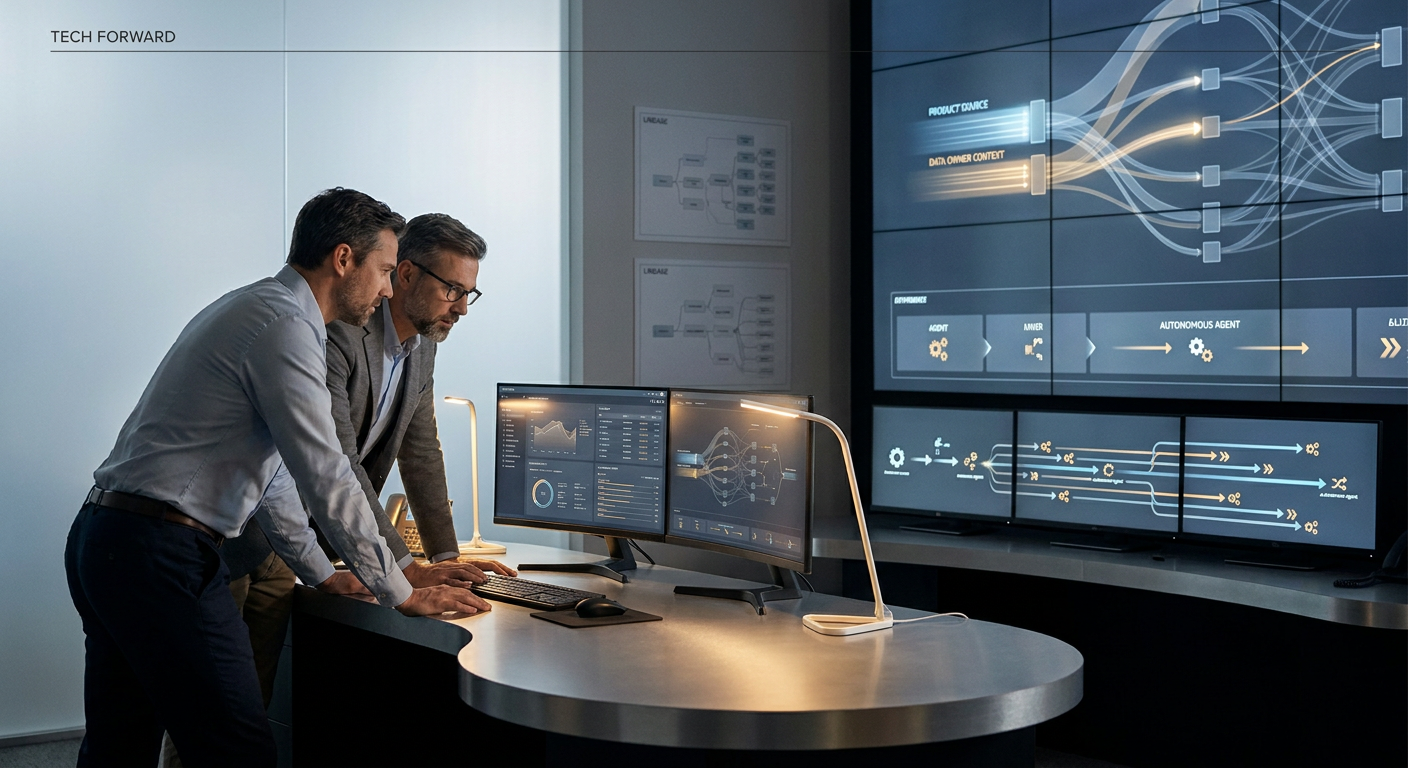
The serious play in agentic data engineering is not faster code generation. It is building enough context, validation, and upstream ownership that agents can operate on live data without turning your platform into a roulette wheel.
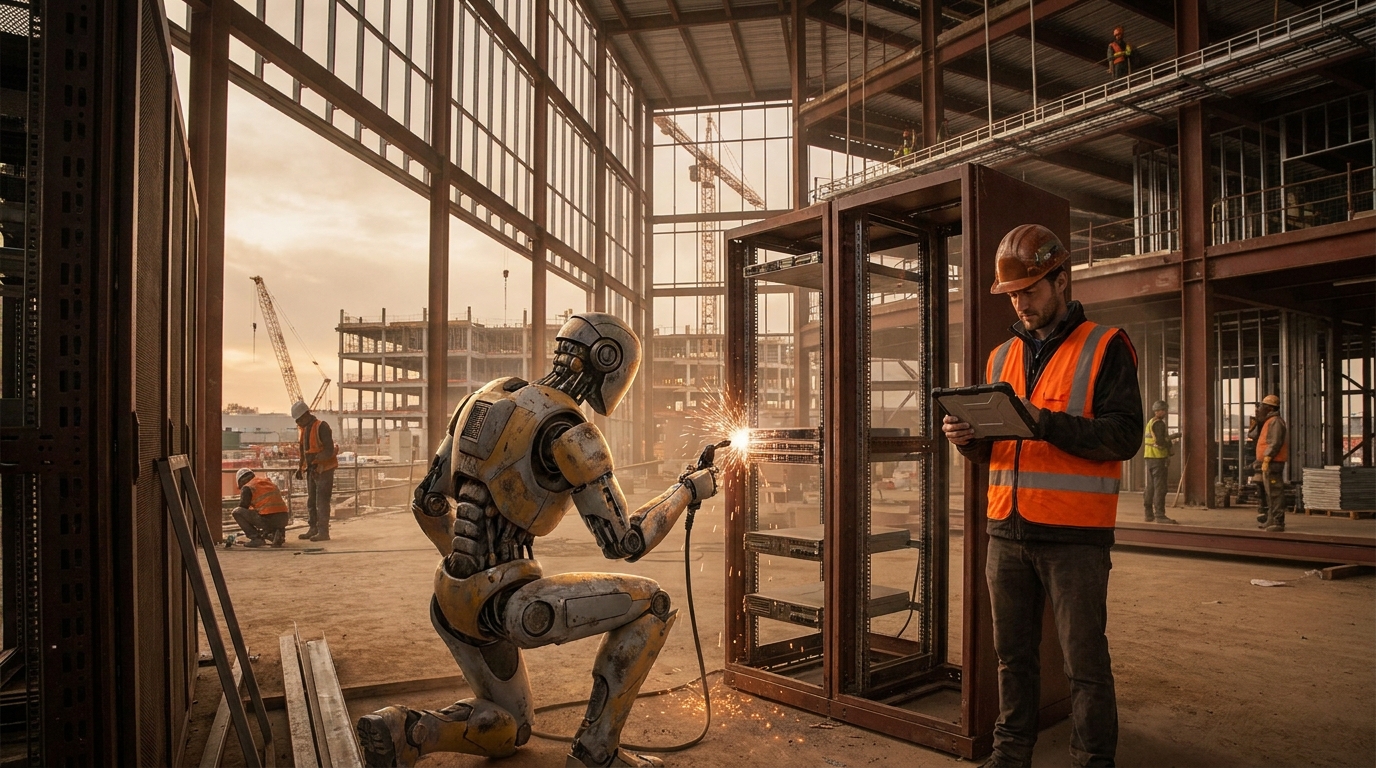
When SoftBank quietly starts a robotics company to build data centers, and immediately shoots for a $100 billion IPO valuation, you stop asking if this trend is real and start asking how quickly the rest of the economy gets rebuilt around it.

Sundar Pichai dropped a number that should have broken the internet and somehow didn't: 75% of all new code at Google is now AI-generated. But the real story isn't the percentage. It's what happened next.
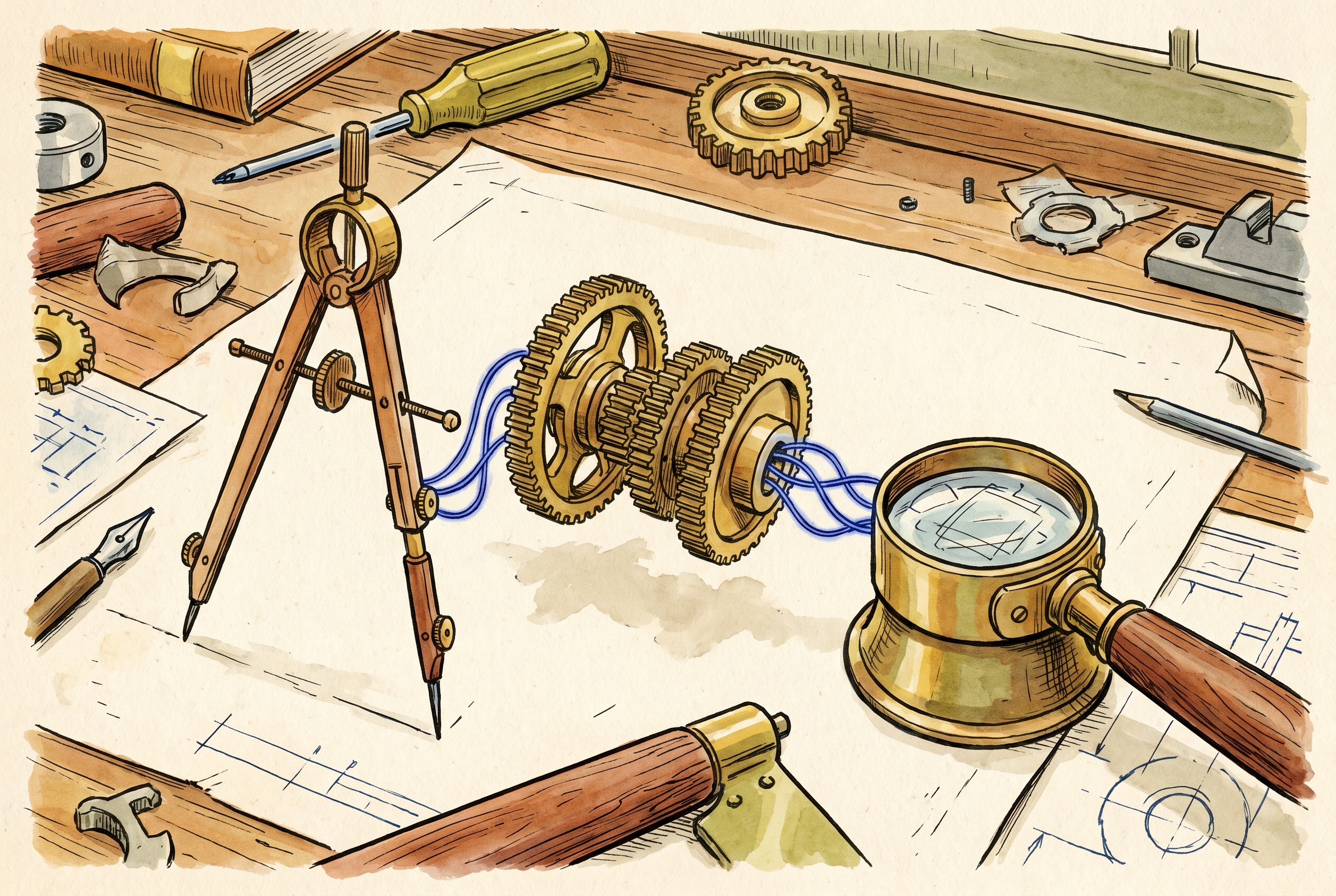
How Cursor, Claude Code, and Codex accidentally became the layers of a composable engineering pipeline — and why multi-agent swarms are the real step-change
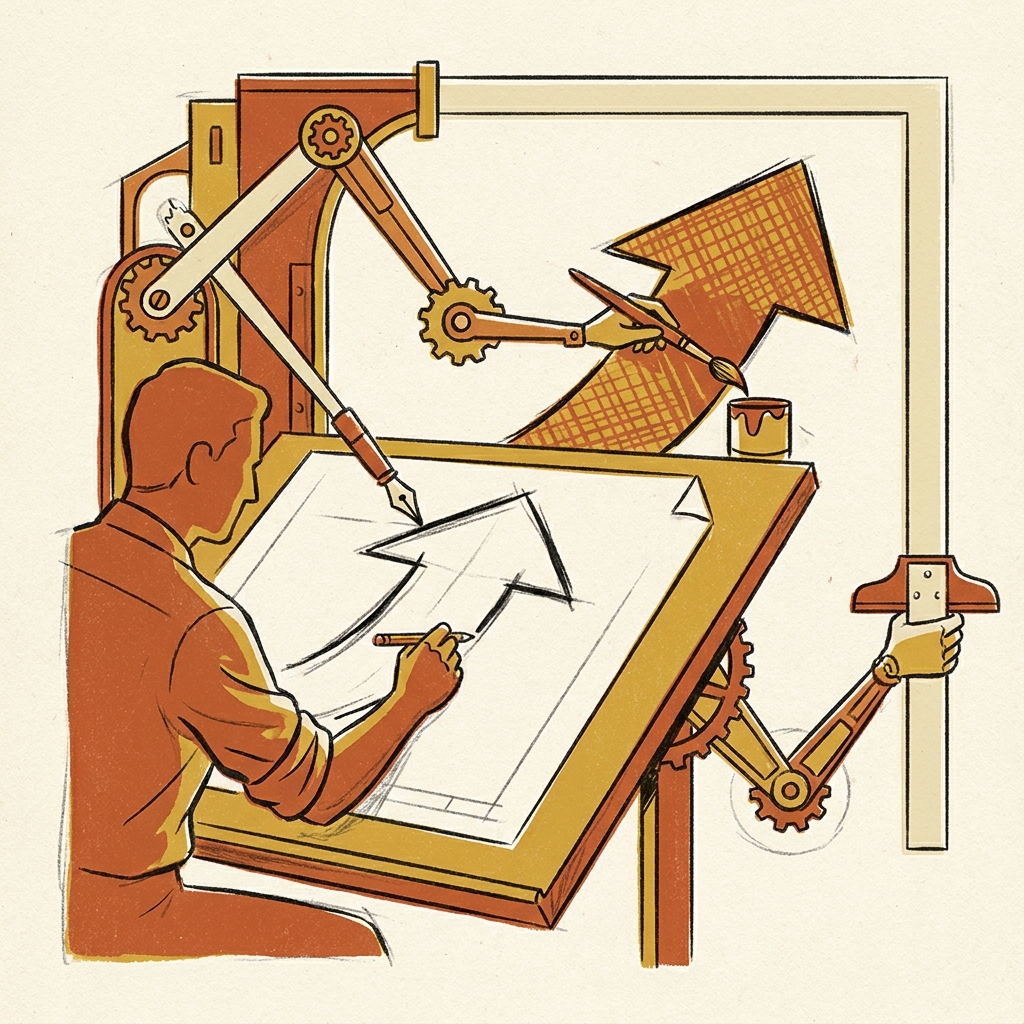
Autonomous AI agents are no longer assisting developers — they're starting to manage entire projects. The question isn't whether this changes everything, but how fast.

AI didn't just speed up software development. It flooded it. Now the industry is scrambling to figure out what to do when the machines ship ten times more code than any team can review.

How coding agents went from autocomplete party tricks to the most contested infrastructure in software, and why the real story is about who controls the loop.

The next productivity leap belongs to people who can choreograph agents, not just operate software.

Silicon Valley is having a quiet revelation. Not a public manifesto, not grand proclamations — just private conversations, late-night DMs, and the occasional blunt sentence at a dinner table.

The sharpest minds in Silicon Valley are quietly admitting something unsettling: the system they talk to every day already behaves like general intelligence, and the debate over definitions is starting to feel beside the point.
The shift is not from dashboards to chat. It is from generic data access to agents grounded in memory, workflow, validation, and trust.
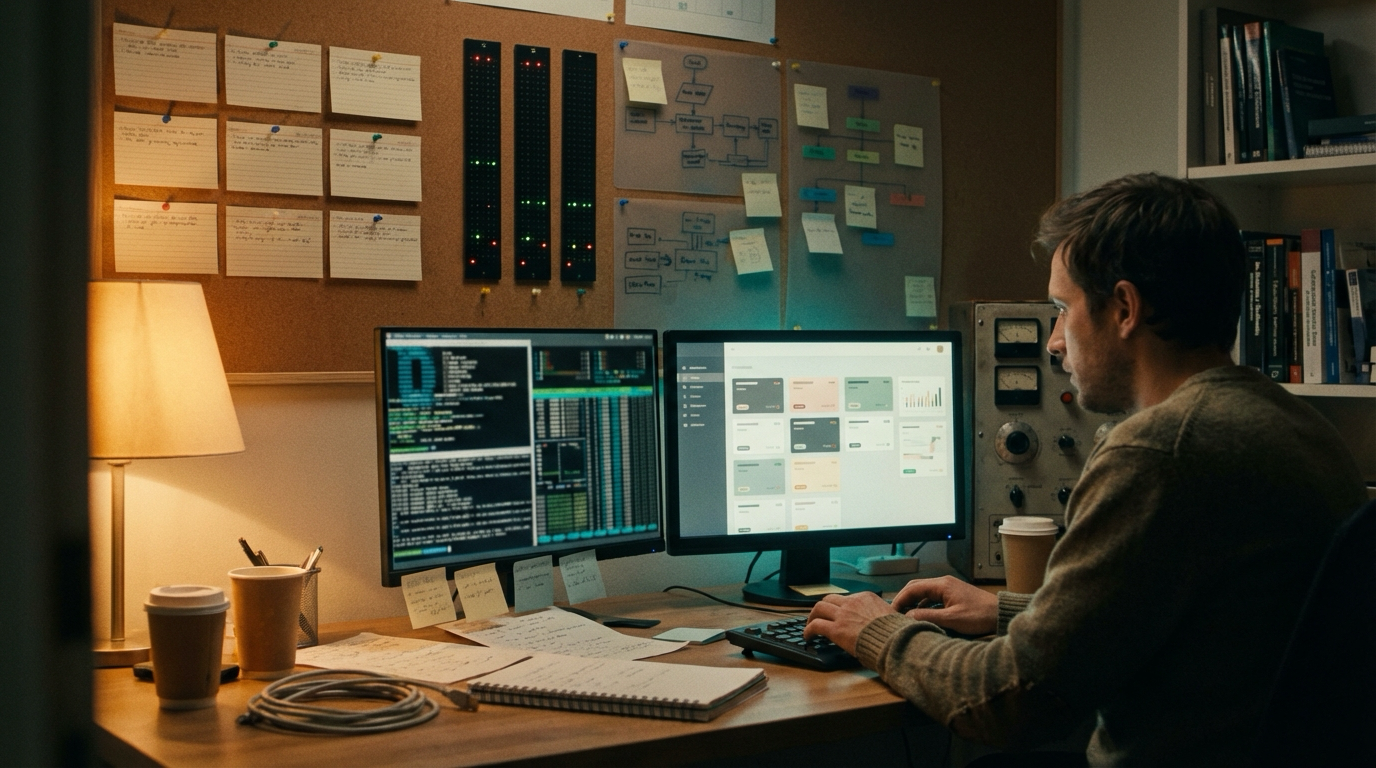
OpenAI, GitHub, and Microsoft are converging on the same future: software engineers will spend less time typing code and more time directing persistent, parallel machine labor.
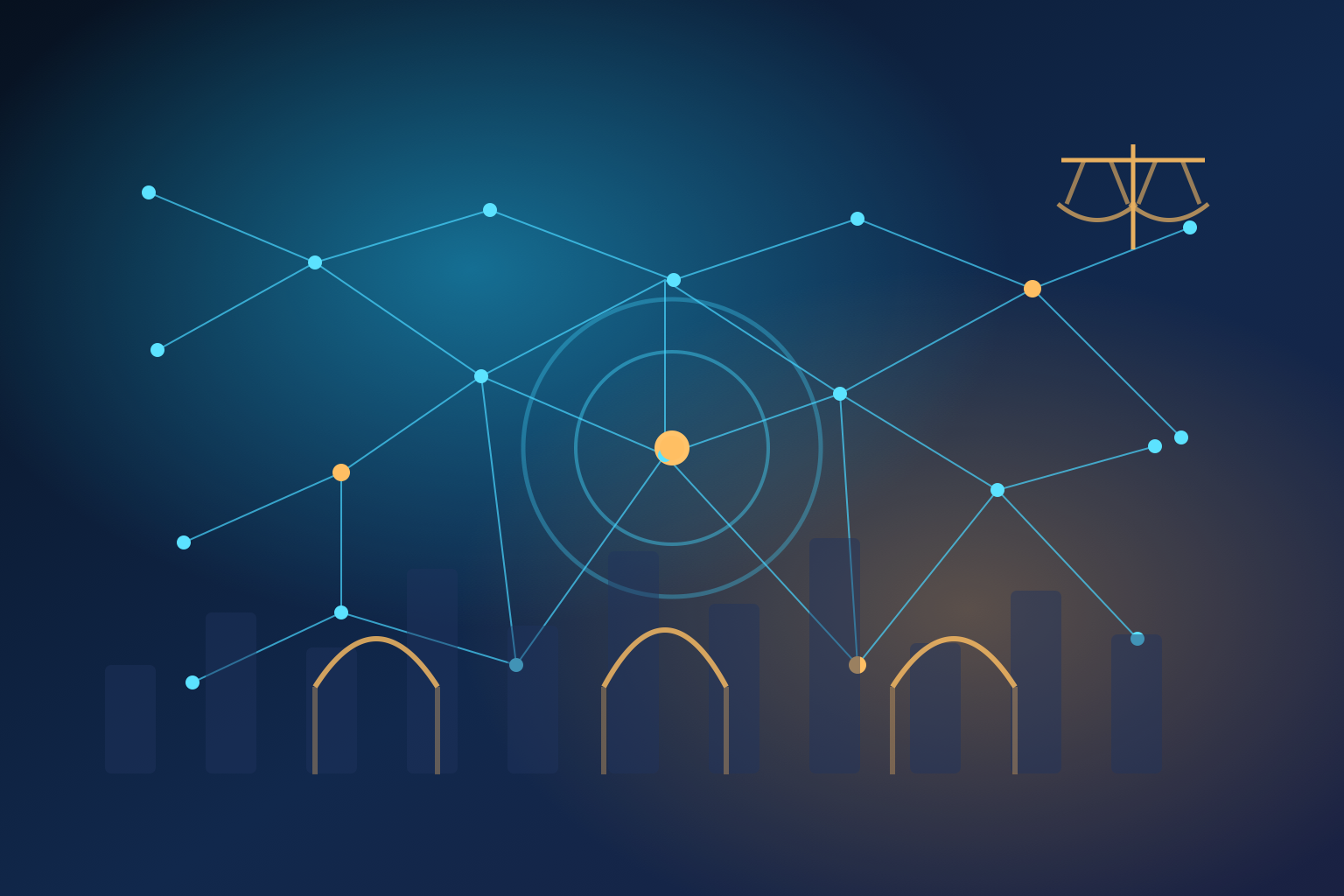
Why a new paper from Benjamin Bratton and Blaise Agüera y Arcas is really an argument for institutions, not just smarter models

The most interesting AI use cases of 2026 are showing up in ordinary places—TVs, inboxes, music tools, and warehouses that suddenly behave like collaborators.

AI is slipping out of the chatbot tab and into the operating core of real companies, where it behaves less like software and more like a fast, strange new colleague.

A new interaction model is arriving fast: less hunting through apps, more stating intent and supervising the result.

Why this week’s AI launches make one thing obvious: software is leaving the dashboard era and becoming an ambient, action-taking layer around daily life.

Insurance is not being “digitally transformed.” It is being conversationally invaded — and the winners will be the carriers whose underwriting can survive a sentence, not a portal.

AI is not just changing what software can say. It is changing when humans need to touch software at all.
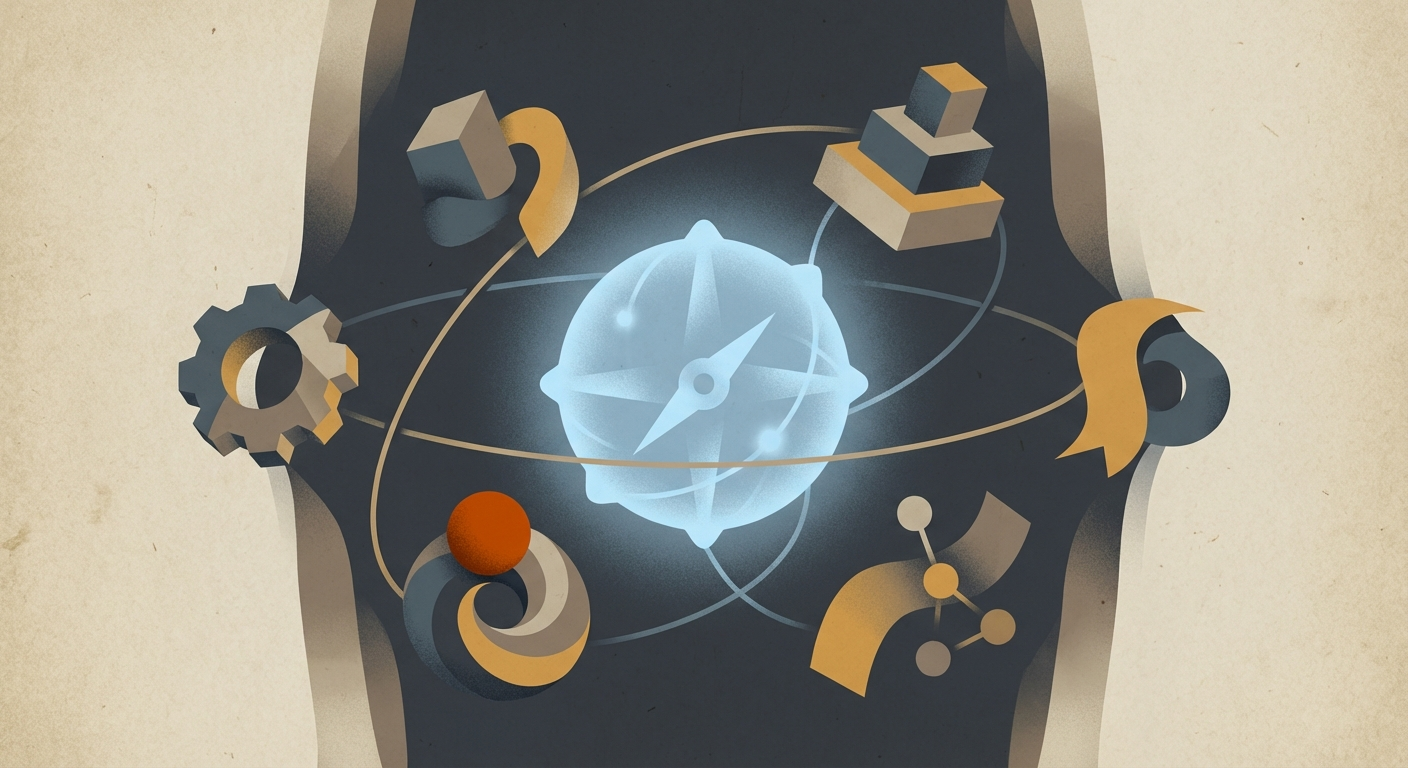
How to build an autonomous delivery team that ships real work without drowning in orchestration, hallucinated progress, or fragile handoffs.
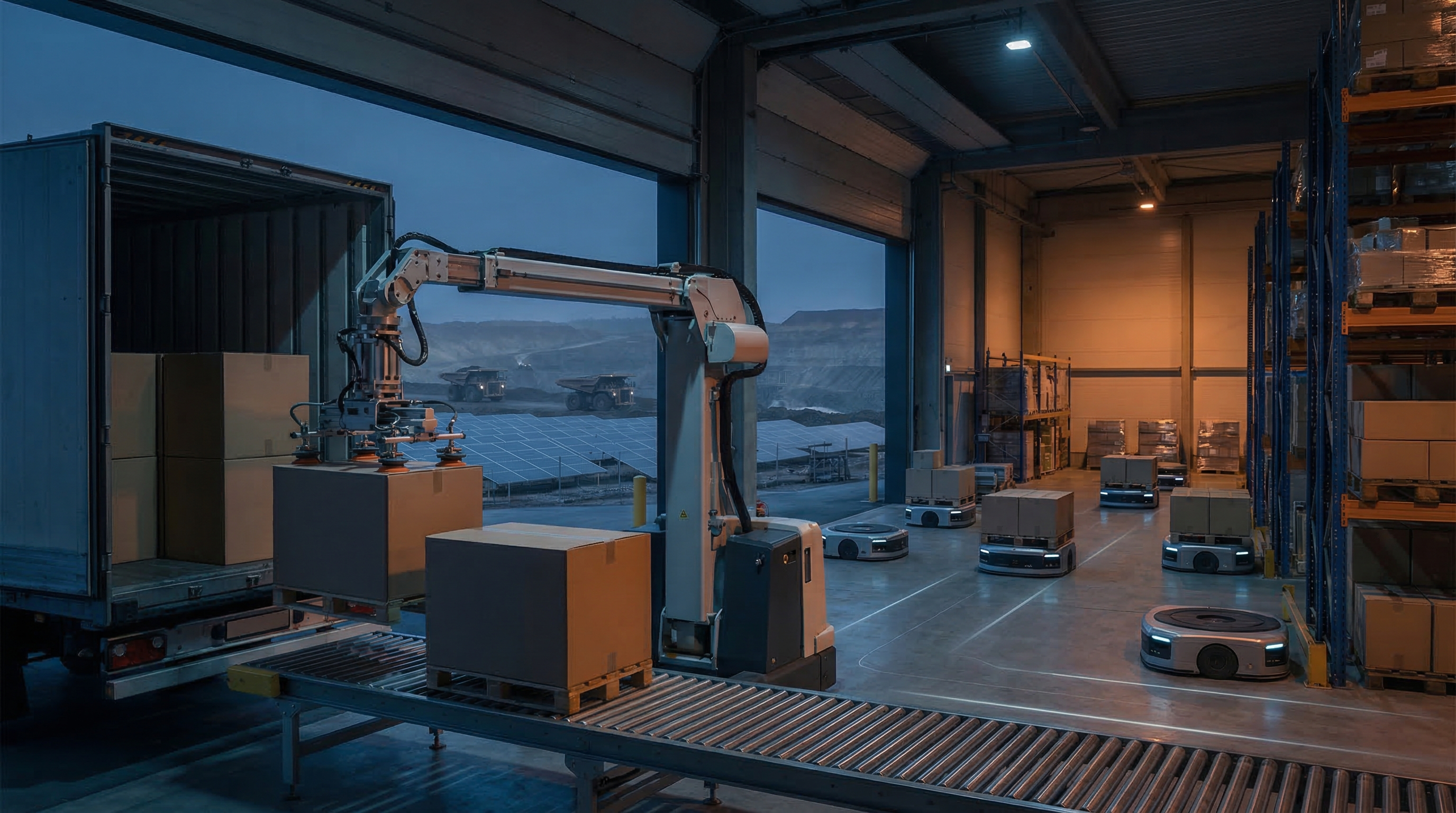
The next important AI companies may be built in mines, fields, warehouses, weld cells, and solar sites rather than on chat interfaces.

In insurance, AI is no longer the shiny thing at the edge of the business. It is starting to become the operating layer in the middle of it.

The next interface shift is not another app icon. It is software that sees the page you see, understands the task you are in, and starts doing the first half of the job for you.
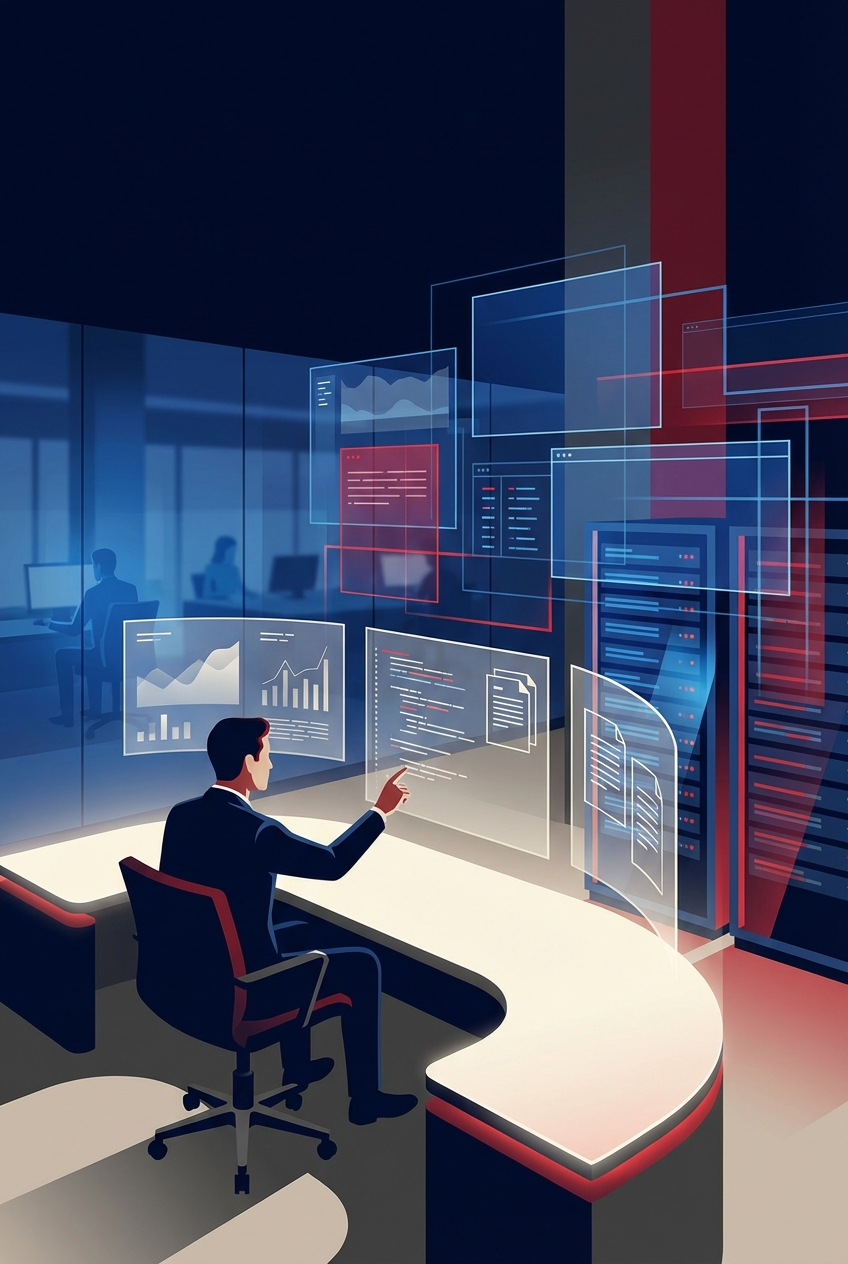
This week’s launches and layoffs suggest the future of work won’t look like mass replacement so much as constant orchestration.
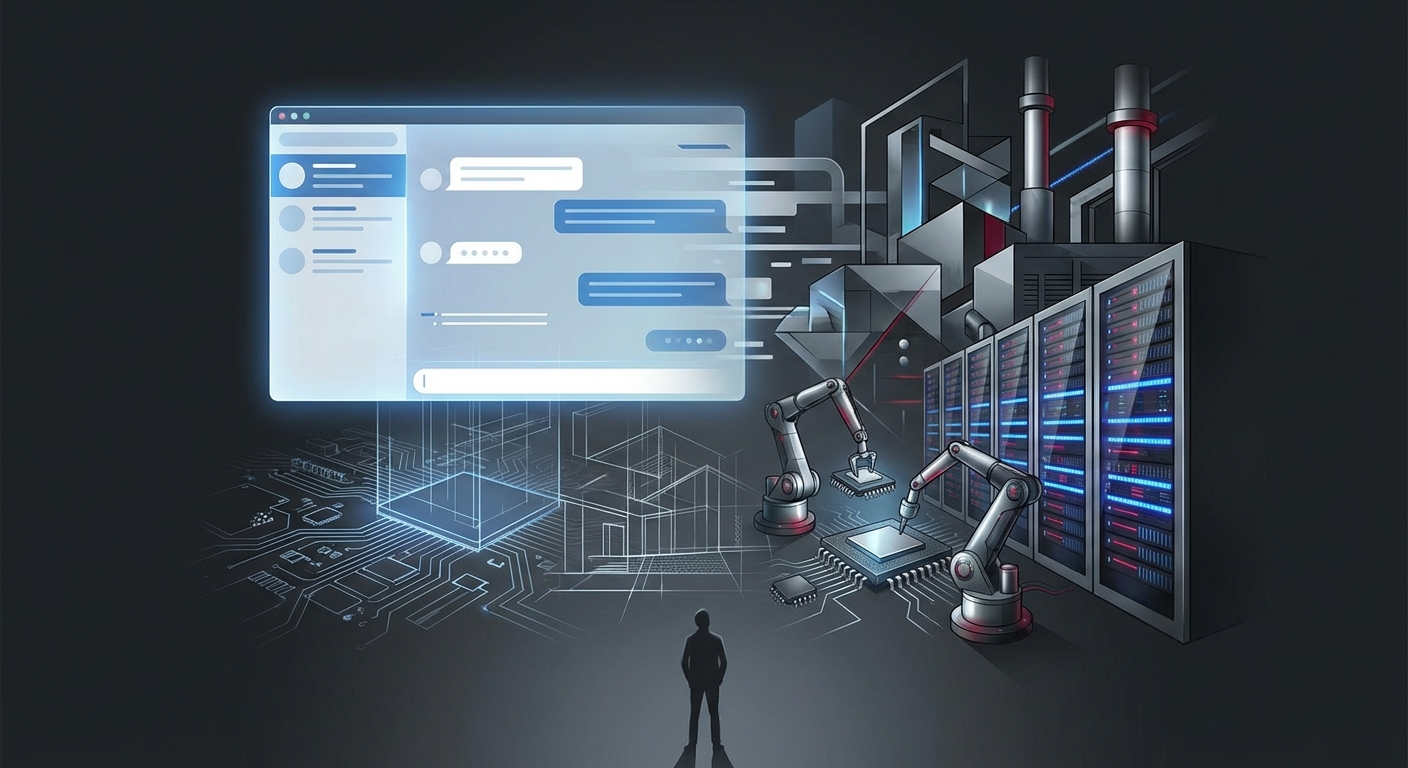
The most important launches of the past few days were not just smarter models. They were signs that AI is slipping out of the chat window and into the machinery of how products, chips and entire companies get built.
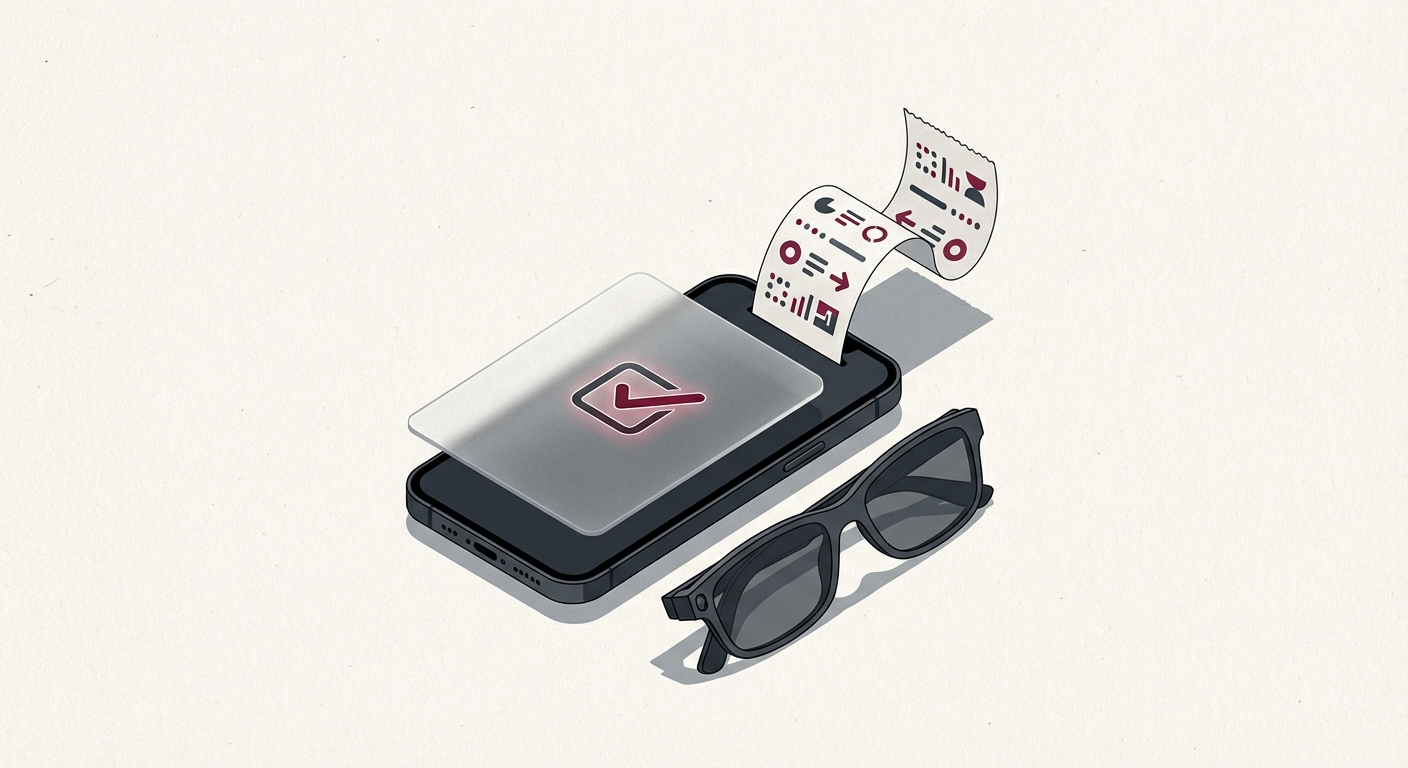
The next platform shift isn’t a smarter model. It’s a quieter one—embedded in lenses, OS features, and workflows that stop asking you to “prompt.”
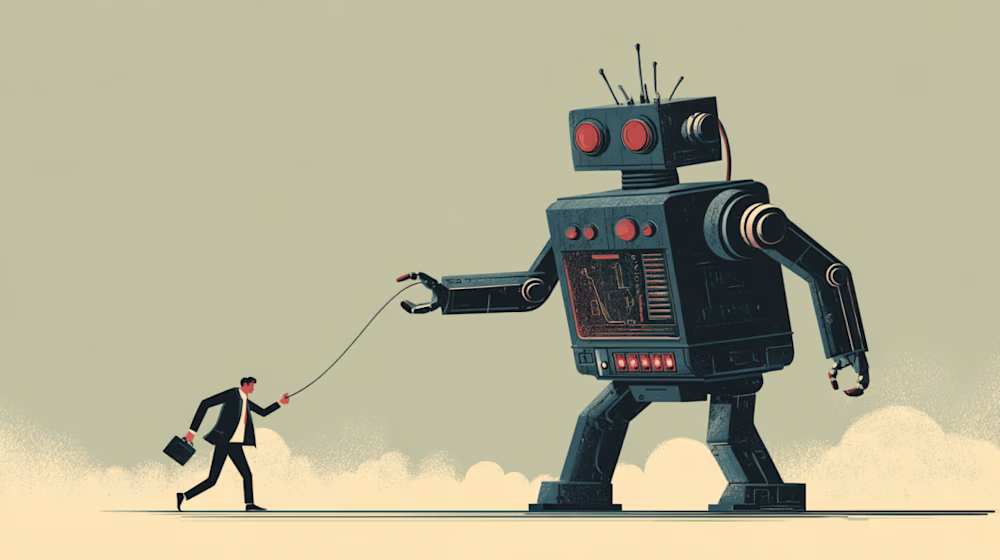
"Click here. Fill that out. Approve this. Export that. Repeat until retirement." That model is ending. Not because humans suddenly got better at process design, but because software is gaining a new “user” entirely: a digital workforce that does not need dashboards, training videos, or polite reminders.

The software ecosystem is in a phase change, and it’s happening at roughly 10x the speed of the cloud revolution. In 39 months, AI coding agents went from solving about 2% of real-world software engineering tasks to 80%+ on real GitHub issues. 2025 already saw roughly 41% of code being AI-generated or AI-assisted globally, and 2026 is projected to push that past 50%.